US Considers Restrictions on Chinese Open-Weight AI Models Including Kimi K3
July 21, 2026
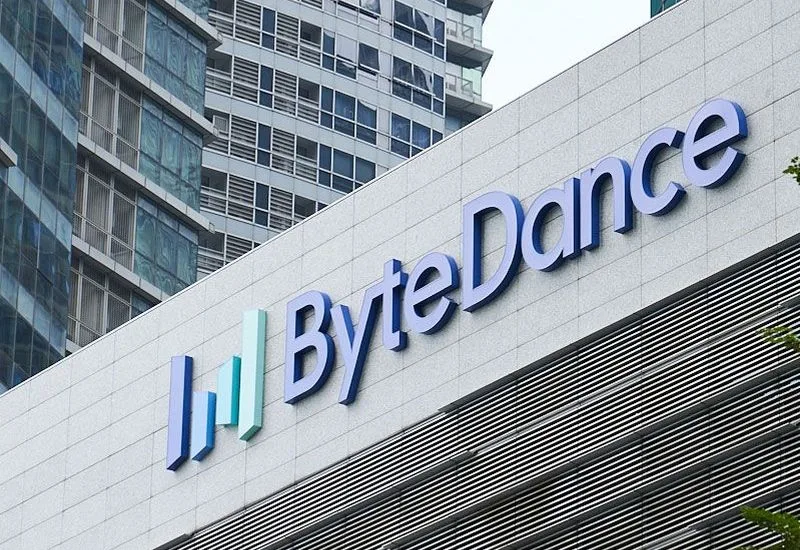
ByteDance, the Chinese technology giant known for its innovative AI-powered services, has announced plans to enhance its Seedance 2.0 video generation platform with measures aimed at respecting intellectual property rights tied to Hollywood actors and characters. This move comes amid ongoing industry concerns over AI tools that replicate the likeness of famous individuals without authorization.
AI-driven video creation has rapidly evolved, enabling users to generate content featuring detailed human likenesses and movements. However, this capability raises significant legal and ethical issues, particularly from film studios, content owners, and celebrities who seek to protect their image rights and creative properties. These stakeholders have voiced growing opposition to unauthorized usage enabled by AI generators, often citing risks of infringement and misappropriation.
ByteDance’s Seedance 2.0 platform, which allows users to create videos using artificial intelligence technology, faced criticism shortly after its release for potentially enabling the unlicensed replication of well-known actors and fictional characters. In response, ByteDance committed to introducing safeguards that would align with the interests of rights holders and prevent misuse of protected images and personas.
While specific technical details of these protective mechanisms have not been disclosed, the initiative underscores the importance of building responsible AI products that consider legal frameworks and ethical boundaries. By addressing these concerns, ByteDance aims to set a precedent in the AI content creation space, balancing innovation with respect for intellectual property and individual rights.
This development reflects broader trends in the global AI landscape, where regulatory scrutiny and calls for accountability increase amid rapidly advancing capabilities. As AI tools become more sophisticated, companies behind them face mounting pressure to implement controls that prevent copyright violations and unauthorized likeness usage.
Meanwhile, Hollywood and related industries continue exploring legal strategies to safeguard actors’ rights against emerging AI challenges. ByteDance’s commitment suggests a growing recognition among tech companies of the necessity to collaborate with content owners to ensure ethical AI deployment.
Seedance 2.0’s forthcoming updates may include restrictions on replicating specific celebrity likenesses and fictional characters without permission, though official updates from ByteDance have yet to confirm exact details or timelines. The company’s pledge illustrates a cautious approach toward enabling creativity while navigating the complex intersection of technology, law, and creative rights.
As AI-generated media platforms expand in popularity, the balance between innovation and intellectual property protection remains a central issue. ByteDance’s steps with Seedance 2.0 could influence how other companies address similar challenges in the AI-generated content ecosystem.
ByteDance pledges to implement safeguards in Seedance 2.0 to prevent unauthorized copying of Hollywood actors and characters by its AI video generator.