Advancements in CFET Technology Promise Faster, Smaller, and More Reliable Semiconductor Transistors
July 21, 2026
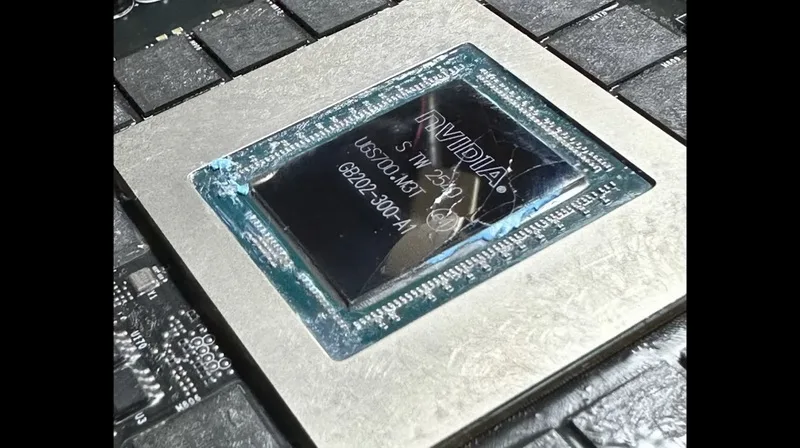
A high-end graphics card from MSI, the GeForce RTX 5090 Lightning Z, reportedly sustained physical damage during an extreme overclocking session. The card, which carries a retail price exceeding $5,000, was pushed beyond typical limits by a technology enthusiast, resulting in a cracked GPU.
The incident was documented by a well-known hardware enthusiast who attempted to maximize the performance of the MSI RTX 5090 Lightning Z through aggressive overclocking techniques. Despite the card’s design for high performance, the stress from the overclock caused a severe thermal event.
According to the report, the thermal shock experienced during the overclocking experiment caused the GPU chip to fracture. This level of physical damage highlights the risks associated with extreme performance tuning, even on premium hardware designed to handle demanding workloads.
The RTX 5090 Lightning Z is recognized for its advanced features and high cost, positioning it among the most expensive consumer-grade graphics cards available. However, the failure underscores that no graphics card is immune to hardware stress beyond manufacturer specifications.
Overclocking can offer substantial performance gains but also carries the risk of component damage, especially when pushing temperatures and voltages to extreme levels. Enthusiasts engaging in such experiments often implement advanced cooling solutions and take precautions, but hardware limitations remain a critical factor.
This incident serves as a cautionary example for users interested in extreme tuning of their high-end GPUs. While companies like MSI invest heavily in robust designs and quality materials, the physical limits of the silicon and underlying components can still be breached under excessive strain.
Details on the specific overclocking setup or cooling methods employed during this experiment were not disclosed. Additionally, information regarding warranty coverage or repair options following the damage was not made available.
The event has sparked discussions within the enthusiast and tech communities about balancing overclocking ambitions with the inherent risks to expensive hardware. It also provides insight into the challenges manufacturers face when designing components intended for both high performance and extended durability.
As graphics technologies continue to evolve, the demand for pushing hardware to its limits is expected to grow. However, users are reminded that the threshold for safe operation must be respected to avoid costly failures like the one experienced by the MSI RTX 5090 Lightning Z.
An MSI GeForce RTX 5090 Lightning Z valued at over $5,000 suffered a cracked GPU during an extreme overclocking experiment.