App Store Sees Surge in New Apps Amid Growth of No-Code Platforms in Early 2026
July 21, 2026

European countries have embarked on initiatives to lessen their reliance on technologies originating from the United States. This strategic pivot is driven by increasing geopolitical strain between Europe and the U.S., prompting efforts to foster homegrown alternatives across key tech sectors.
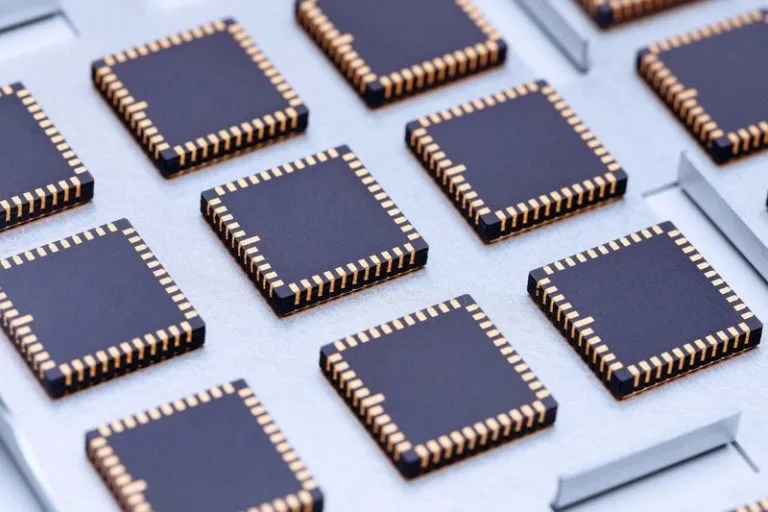
Multiple European governments and industry organizations are formulating comprehensive plans aimed at developing and deploying local substitutes for American hardware, software, and semiconductor components. The objective is to cultivate a more autonomous technology ecosystem capable of reducing vulnerability tied to external supply chains and geopolitical pressures.
These initiatives are notable as they indicate a substantial shift from previously strong transatlantic cooperation in technology development and procurement. While details about specific projects or timelines remain limited, the emphasis is on enhancing competitive domestic industries and securing critical infrastructure through import substitution strategies.
This trend aligns with a growing global movement where regions seek to diversify their technology sources amid geopolitical uncertainties. Other major markets have similarly pursued self-reliance in semiconductor manufacturing and digital infrastructure. The move by European nations reflects an increasing priority on technological sovereignty and supply chain resilience within the international tech industry.
Looking ahead, close attention will be on how these European efforts develop, including the rollout of new products and partnerships that support replacing American technologies. The evolving strategies will likely influence global tech markets and the competitive positioning of both American and European technology firms in the coming years.
Amid rising geopolitical tensions, European nations are developing plans to replace American technologies with local alternatives.