App Store Sees Surge in New Apps Amid Growth of No-Code Platforms in Early 2026
July 21, 2026
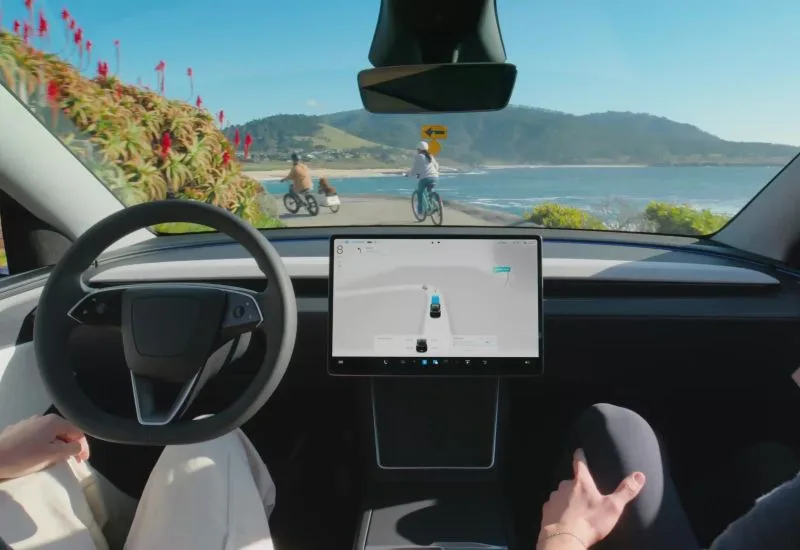
Tesla has faced ongoing legal challenges linked to accidents involving its autopilot system, as crash investigations frequently reveal that onboard automation was active but failed to avoid or lessen the impact of collisions. This week, a court declined Tesla’s appeal regarding a substantial lawsuit arising from a 2019 crash that claimed the life of a 22-year-old woman and seriously injured her companion.
The case centers on a crash where Tesla’s autopilot was engaged at the time of the incident. The victim’s family filed a lawsuit claiming the vehicle’s autonomous driving system bore responsibility for not preventing a deadly outcome. The claim sought damages amounting to $243 million, highlighting the severe consequences of the accident.
Despite Tesla’s efforts to overturn the verdict, the court ruled against the company, allowing the lawsuit to proceed based on prior findings. The decision underscores the legal risks automakers face as driver assistance technologies play a more prominent role in everyday driving scenarios.
This is one among several lawsuits Tesla confronts globally as regulators and courts scrutinize the safety and liability concerns surrounding autopilot and self-driving features. The technology remains under intense examination for how effectively it manages complex real-world driving conditions, especially when human intervention might be limited or delayed.
Advocates for road safety assert the importance of rigorous oversight and accountability for advanced driver-assistance systems, emphasizing the need for continuous improvements and transparent communication from manufacturers. Meanwhile, legal experts note the growing precedent such cases establish in determining responsibility when automated vehicle systems are implicated in collisions.
Tesla’s response to these ongoing legal disputes has varied, but the company continues to advance its autonomous driving technology and expand its fleet featuring autopilot capabilities, emphasizing safety enhancements through software updates and hardware improvements. Nevertheless, this recent judicial decision represents a notable challenge highlighting the stakes involved as the automotive industry navigates the transition toward more autonomous vehicles.
The outcome of this case may influence future litigation involving self-driving technologies and could potentially shape regulatory and legal frameworks governing the use of automated driving systems on public roads.
Tesla’s appeal was denied in a $243 million lawsuit tied to a 2019 autopilot crash that resulted in a fatality and serious injuries.