App Store Sees Surge in New Apps Amid Growth of No-Code Platforms in Early 2026
July 21, 2026
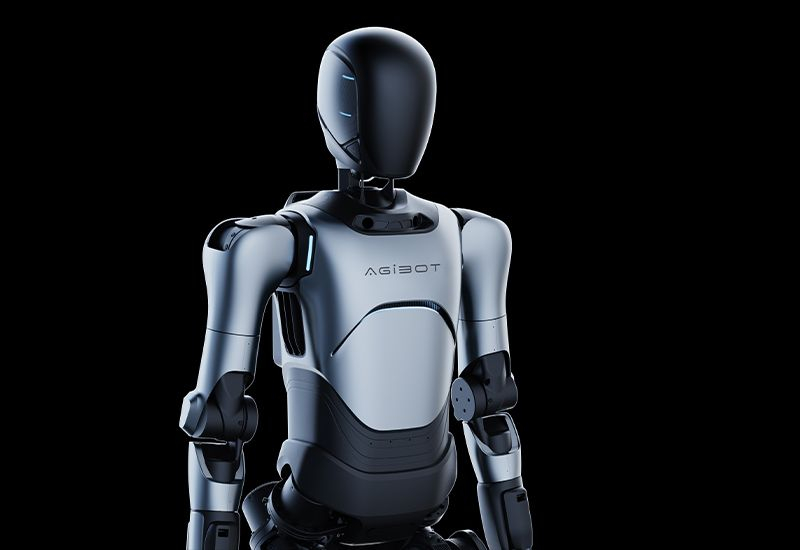
Robotics manufacturers in China have reached a milestone by deploying robots capable of autonomously producing joints designed for humanoid robots. This development reflects a growing industry emphasis on self-sufficient machinery to streamline robotics production chains.
The autonomous production of robotic joints in China marks a notable advancement as it eliminates the need for human intervention in this manufacturing stage. These joints, essential for the movement and articulation of humanoid robots, are now being fabricated entirely by robotic systems. This aligns with the principle of “machines making machines,” an approach advocated by industry leaders to increase efficiency and reduce production costs in robotics manufacturing.
The breakthrough is significant given the complexity of producing precise mechanical joints that must function reliably in humanoid robots. The use of robots to create these components suggests improvements in precision engineering, automation technology, and process integration. It positions Chinese manufacturers at the forefront of automated robotics component production.
This progress comes amid increased interest and investment in humanoid robots globally, especially following high-profile initiatives from companies like Tesla, whose CEO Elon Musk has frequently emphasized the importance of automated manufacturing processes in robotics development. The innovation reflects a broader trend toward advanced factory automation and smarter manufacturing lines capable of producing complex robotic parts independently.
The move towards fully automated production of robot components is part of a wider global shift in the robotics and manufacturing sectors. Competitors in regions such as the US, Japan, and South Korea have been actively developing humanoid robots and robotics manufacturing technologies, but China’s breakthrough in robotic self-manufacturing highlights accelerating capabilities in automation and industrial robotics. This trend enhances productivity and may drive down costs while enabling faster iteration in humanoid robot design and production.
Looking ahead, the continued advancement of autonomous production technologies in robotics will be a key area to monitor. Industry observers will be watching for further innovations in manufacturing processes, integration of AI in robotics production, and how these developments influence the rollout of humanoid robots in various applications. Specific timelines for broader deployment and commercial availability of such self-produced robotic components have yet to be detailed.
Chinese manufacturers have pioneered robots that independently produce joints for humanoid robots, advancing automated robotics manufacturing.