
Advancements in CFET Technology Promise Faster, Smaller, and More Reliable Semiconductor Transistors
July 21, 2026
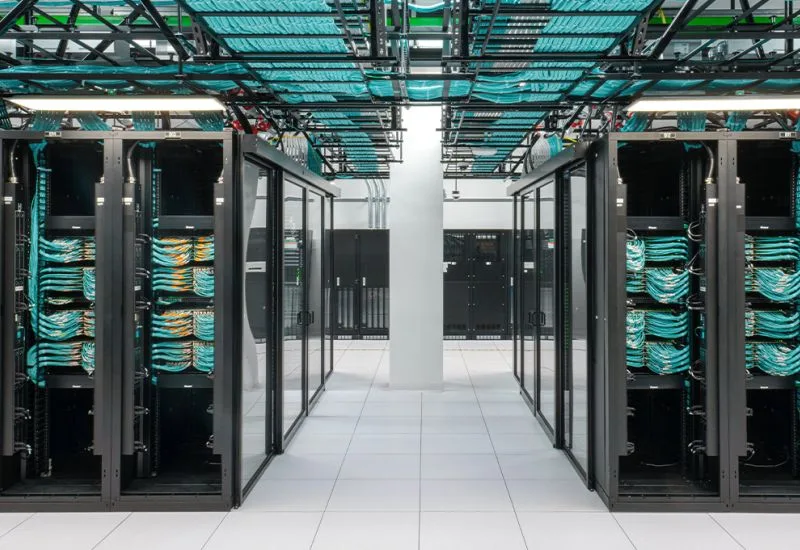
The United States government is considering new regulations designed to control the export of artificial intelligence (AI) chips. This initiative aims to tie export quotas of these advanced semiconductors to conditions that enforce either the construction of local data centers or guarantees on the secure use of the technology by overseas recipients.
Recent challenges faced by major AI hardware manufacturers in securing export licenses have brought attention to the broader discussion on the regulation of cutting-edge AI components. One notable instance involved difficulties encountered by a leading semiconductor company in obtaining authorization to sell AI accelerators to customers in China.
In response, US policymakers are drafting measures to ensure that foreign entities receiving American AI chips are required to either build data centers on US soil or commit to stringent security protocols around their application. The goal of this approach is to maintain strategic oversight and limit the potential misuse of powerful AI hardware in sensitive geopolitical environments.
This move reflects ongoing debates in the US Congress concerning the balance between safeguarding national security interests and supporting the global competitiveness of American technology firms. By establishing these export contingencies, the government seeks to reinforce supply chain resilience and strengthen control over how AI capabilities are deployed abroad.
While the exact details, enforcement mechanisms, and timelines for these export quotas remain under discussion, stakeholders in the technology sector are closely monitoring the evolving policy landscape. The intersection of semiconductor export regulations, AI development, and data center infrastructure represents a complex challenge with significant implications for international trade and innovation.
As the US advances these proposals, the broader tech community anticipates further clarity on how the requirements will be implemented and how companies will adapt operations to comply with the emerging framework.
The US government plans to restrict AI chip exports by requiring foreign recipients to build data centers domestically or ensure secure use.