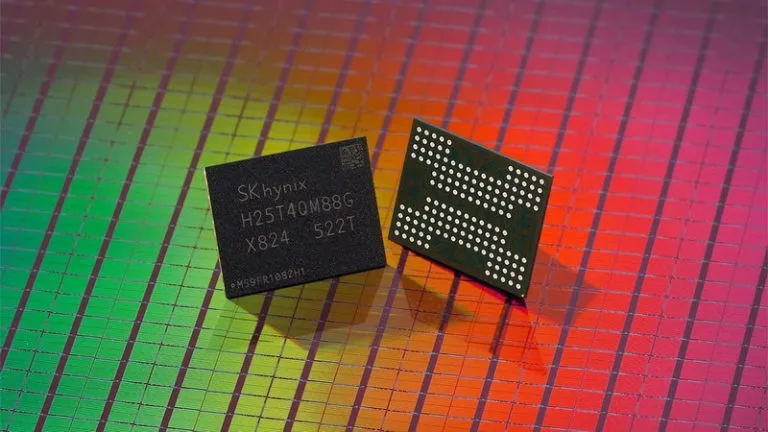
TrendForce Predicts Flash Memory Supply Shortage Will End in Late 2027
July 21, 2026
Industry insiders have indicated that the memory market will likely experience prolonged price stability or potentially elevated costs in the near future. This forecast challenges the conventional expectation of cyclical price declines historically seen in this segment of the semiconductor industry.
Traditionally, memory prices have undergone fluctuations driven by supply and demand cycles. Periods of rapid price appreciation have typically been followed by phases where prices dropped, benefiting various downstream industries and consumers. However, current dynamics appear to diverge from this pattern.
The ongoing expansion of artificial intelligence (AI) applications is identified as a primary factor underpinning the sustained demand for memory components. As AI models and related technologies continue to advance, the need for high-capacity, high-performance memory solutions intensifies, exerting upward pressure on market prices.
Market participants emphasize that this surge in demand is reshaping the memory landscape, making it unlikely that significant price reductions will occur for several years. Some experts caution that there are no guarantees prices will decline at all given the evolving industry prerequisites and robust consumption patterns.
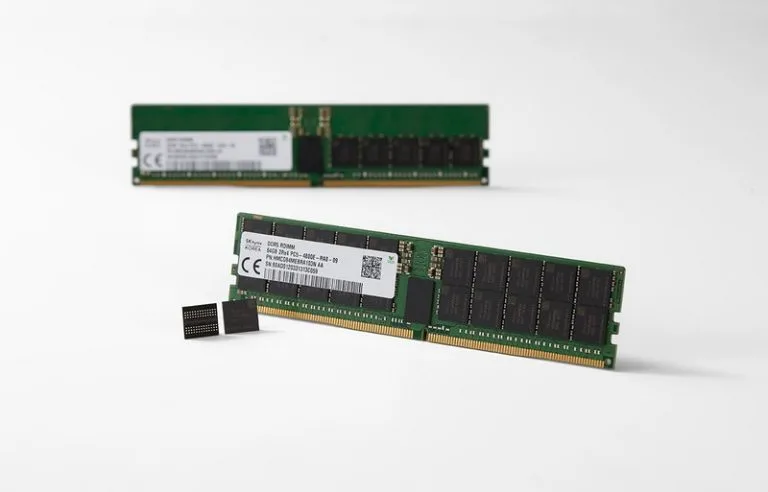
The memory market, which encompasses DRAM and NAND flash products, is closely intertwined with broader technology trends, including cloud computing, data centers, and emerging AI-powered devices. As investments in AI infrastructures continue to rise, purchasing requirements for sophisticated memory components follow suit, thereby limiting the excess supply that would normally lead to price decreases.
While external factors such as manufacturing innovations, geopolitical considerations, and supply chain logistics could influence the market in specific ways, the dominant narrative remains focused on AI-driven demand as the primary determinant of pricing stability.
Ultimately, stakeholders across the tech ecosystem are advised to prepare for a memory market environment characterized by tighter supply-demand balances and a diminished likelihood of the favorable price downturns witnessed in previous cycles. This outlook underscores the strategic significance of memory technology in supporting the rapid growth and adoption of artificial intelligence.
Market experts predict memory prices will stay high in coming years, driven by sustained demand from AI developments.