Northwestern University Develops Nearly Invisible Spinning Drone
July 21, 2026
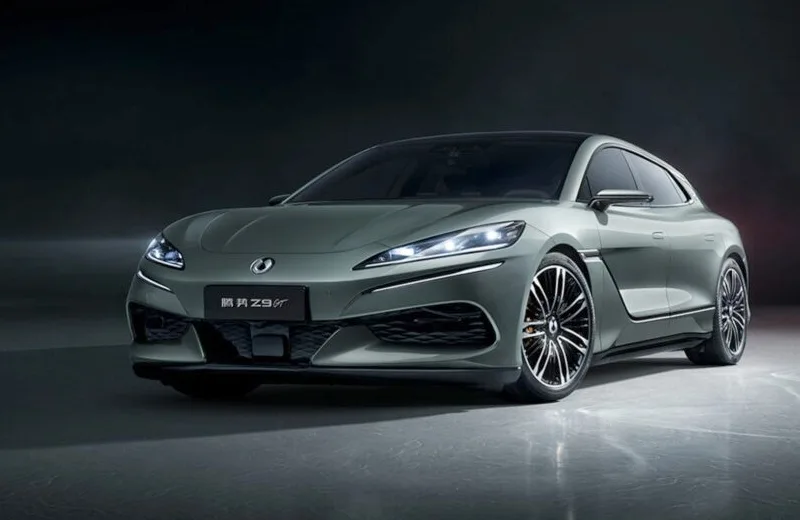
Chinese automotive manufacturer BYD, which surpassed Tesla last year to become the largest electric vehicle (EV) producer globally, is targeting the luxury car market in Europe with an ambitious new model. The company’s premium brand Denza has introduced the Z9GT, an all-electric vehicle boasting unprecedented fast-charging capabilities.
The Denza Z9GT advances BYD’s push into the high-end electric vehicle segment, positioning itself to compete with established European luxury automakers such as Porsche and BMW. One of the standout features of the Z9GT is its remarkable charging performance, designed to alleviate common concerns around EV range and charging times.
According to BYD, the Z9GT can recharge its battery to 70 percent capacity in just five minutes. More impressively, it can reach an almost full charge in approximately 12 minutes, a significant improvement over current industry standards. This rapid charging capability is reportedly effective even under harsh weather conditions, including temperatures as low as -30 degrees Celsius.
Such charging speeds could represent a major milestone for electric vehicles, potentially reducing downtime and making long-distance travel more convenient for owners. This development aligns with BYD’s broader strategy to appeal to discerning buyers seeking performance as well as practicality in an electric luxury sedan.
While specific technical details, pricing, and availability have not been disclosed, the introduction of the Denza Z9GT highlights BYD’s growing ambitions to strengthen its presence not only in China but also across competitive markets worldwide.
The automotive industry will be closely watching how the Z9GT’s fast-charging technology performs in real-world conditions and whether this level of convenience can be delivered at scale.
BYD introduces the Denza Z9GT, a luxury EV that charges up to 70% in five minutes and nearly full in 12, even in subzero temperatures.