Advancements in CFET Technology Promise Faster, Smaller, and More Reliable Semiconductor Transistors
July 21, 2026
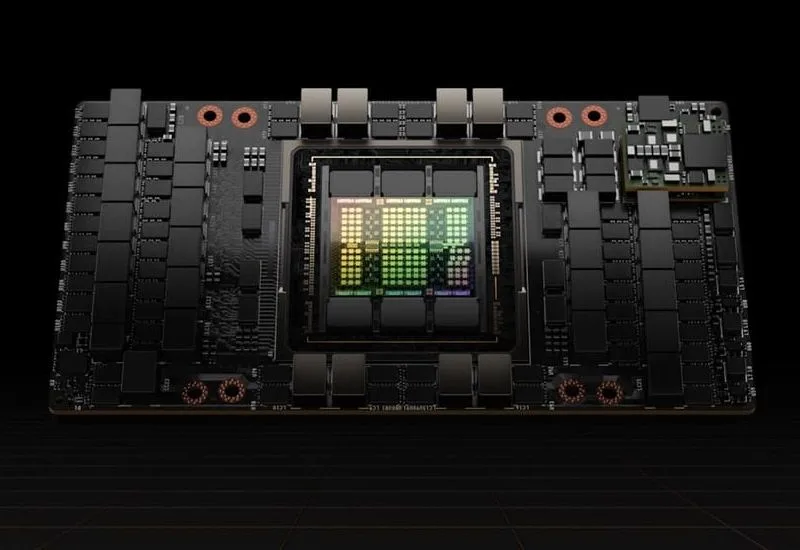
Nvidia has recommenced production of its H200 accelerator units after receiving approval from Chinese authorities to import the devices. This development comes amid ongoing efforts by the United States to regulate technology exports to China, particularly advanced AI-related hardware.
Last year, the US government began implementing measures aimed at controlling the shipment of cutting-edge Nvidia accelerators, including the H200 series, to the Chinese market. Despite these regulations, direct shipments of the H200 had yet to materialize due to a combination of regulatory and logistical challenges.
Jensen Huang, Nvidia’s CEO, announced that the company has now secured the necessary export licenses, enabling them to resume the manufacturing process specifically with the intent of supplying the Chinese market. Although the exact volume of units planned for shipment or timelines were not disclosed, Nvidia’s move signals a notable shift in the trade and regulatory environment surrounding AI hardware between the US and China.
The H200 accelerator is part of Nvidia’s latest generation of AI chips designed to power data centers, machine learning workloads, and high-performance computing applications. Having access to these processors significantly bolsters AI development capabilities for firms operating within China’s rapidly expanding technology sector.
The restart of H200 production tailored for China indicates a possible easing of export restrictions or at least the granting of specific licenses that enable controlled shipments. This could help alleviate supply bottlenecks that Chinese companies have faced in acquiring state-of-the-art AI accelerators under the existing export control constraints.
However, the broader US-China trade tensions surrounding technology exports remain complex and subject to frequent policy updates. Nvidia’s move to resume production reflects a strategic approach to navigate these regulations, ensuring compliance while supporting demand from one of the largest global tech markets.
As AI adoption continues to accelerate worldwide, access to advanced chips like the H200 will remain a critical enabler for research institutions, cloud service providers, and commercial enterprises targeting AI-driven innovation. Future developments regarding export controls and international technology trade policies will likely influence how companies like Nvidia balance production and distribution across different regions.
Details about pricing, shipment schedules, and further regulatory developments have not been publicly disclosed at this time. The situation remains dynamic as stakeholders on all sides adapt to evolving trade frameworks and technological competitive pressures.
Nvidia has restarted manufacturing its H200 accelerators as China grants import authorization amid ongoing US regulatory efforts.