App Store Sees Surge in New Apps Amid Growth of No-Code Platforms in Early 2026
July 21, 2026
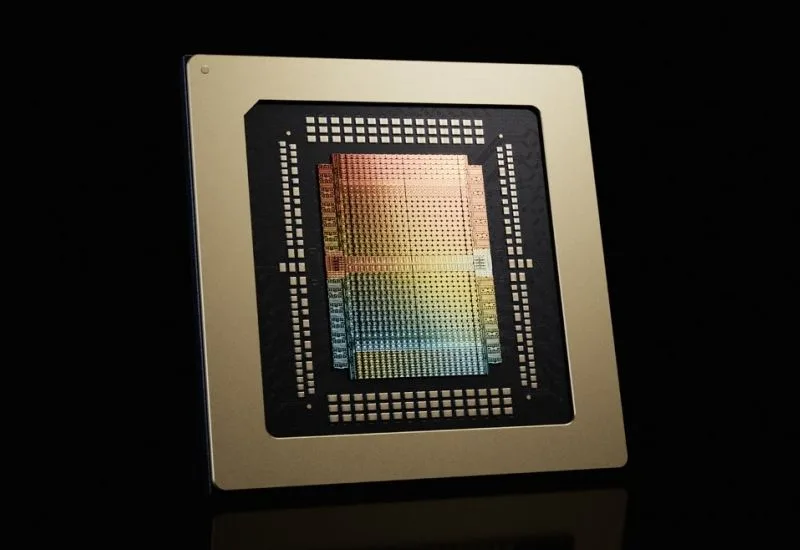
Nvidia is developing a specialized iteration of its Groq artificial intelligence chips designed specifically for the Chinese market. This move comes as the U.S. company adapts to ongoing export control measures affecting semiconductor technology transfers.
Following Nvidia’s strategic acquisition of key technology from the startup Groq last year, the company introduced its novel LPU chips aimed at boosting AI inference tasks. These chips leverage innovative architectures to accelerate machine learning workloads, marking a significant development in AI hardware.
With existing U.S. regulations limiting the export of advanced AI chip technologies, Nvidia is engineering a version of the Groq chips tailored to align with these constraints yet still deliver enhanced performance for AI applications within China. This approach illustrates a nuanced balance between regulatory compliance and market-specific innovation.
The initiative underscores the increasing complexity of semiconductor supply chains and technology dissemination amid geopolitical considerations. By customizing hardware for China, Nvidia seeks to maintain its presence and competitiveness in one of the world’s largest AI markets without violating export laws.
Precise technical alterations or performance differences of the China-specific Groq chips have not been publicly detailed. Similarly, information about commercial availability and partnerships in the region remains limited at this stage.
Nvidia’s efforts reflect a broader trend among leading technology firms adapting their product lines in response to trade policies, reflecting the evolving landscape where technology innovation intersects with international regulation.
Nvidia is preparing a customized version of Groq AI chips for China, addressing U.S. export restrictions while enhancing inference performance.