App Store Sees Surge in New Apps Amid Growth of No-Code Platforms in Early 2026
July 21, 2026
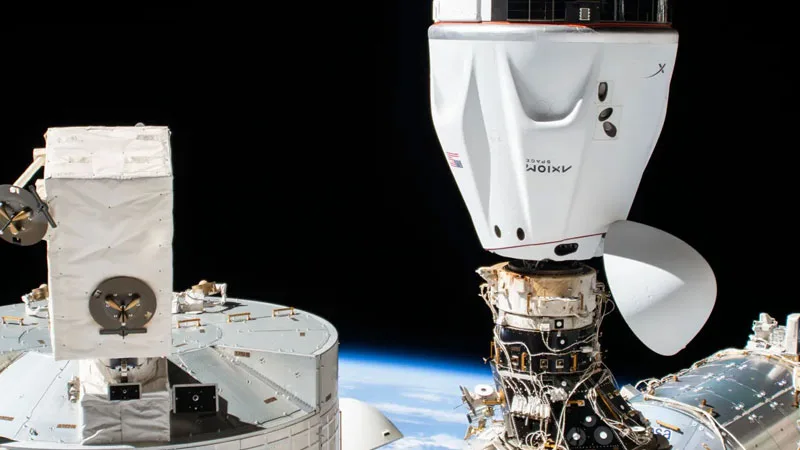
European astronauts have had limited opportunities to participate directly in operations aboard the International Space Station (ISS), a situation that has restricted their access to critical spaceflight experience. With the ISS scheduled for deorbiting in the coming years, the window for crewed missions to the orbiting laboratory is rapidly closing.
In response, the European Space Agency (ESA) has taken the significant step of chartering a SpaceX Crew Dragon spacecraft to carry European astronauts to the ISS. This move marks a shift in approach, aiming to secure valuable time and operational involvement for European crew members before the station’s planned retirement.
The ISS has long served as a hub for international cooperation and scientific research in low Earth orbit. However, European astronauts have historically been underrepresented in missions aboard the station, leading to fewer opportunities to engage in long-duration spaceflight and the complex activities it entails. With the end of the ISS era on the horizon, gaining hands-on experience is becoming increasingly urgent for ESA.
By leasing SpaceX’s Crew Dragon vehicle, ESA seeks to ensure its astronauts continue to gain firsthand knowledge of space operations and maintain a foothold in human spaceflight. The Crew Dragon, operated by SpaceX as part of NASA’s Commercial Crew Program, has become a reliable transporter to and from the ISS, opening new pathways for crewed access beyond traditional government spacecraft.
This strategic move underscores ESA’s commitment to sustaining and enhancing Europe’s role in human spaceflight, leveraging existing commercial infrastructure to bridge gaps left by limited launch capacity within Europe. It also diversifies flight options, reducing reliance on other countries’ spacecraft as the ISS program approaches its conclusion.
While detailed mission plans and timelines have not been publicly disclosed, the arrangement signals a proactive effort by ESA to preserve valuable astronaut experience in the face of the imminent deorbiting of the ISS. This initiative aligns with broader trends in the space sector, where commercial spacecraft are increasingly utilized for government and international missions.
As the ISS nears the end of its operational life, the ability to send crewed missions aboard familiar spacecraft like Crew Dragon helps maintain continuity in training, research, and international collaboration. ESA’s decision reflects the evolving dynamics of space exploration and the growing importance of flexible, commercial partnerships in sustaining human presence in orbit.
Looking ahead, the experience gained through these Crew Dragon flights can better prepare European astronauts for future endeavors, including potential missions to lunar orbit or Mars. Ensuring continued access to space and operational expertise is critical as ESA and its international partners plan next-generation human exploration.
European astronauts will gain vital ISS experience as ESA arranges Crew Dragon flights ahead of the space station’s planned retirement.