
Vivo X300 E Launches Soon with Zeiss Optics and Massive 7200mAh Battery
July 20, 2026
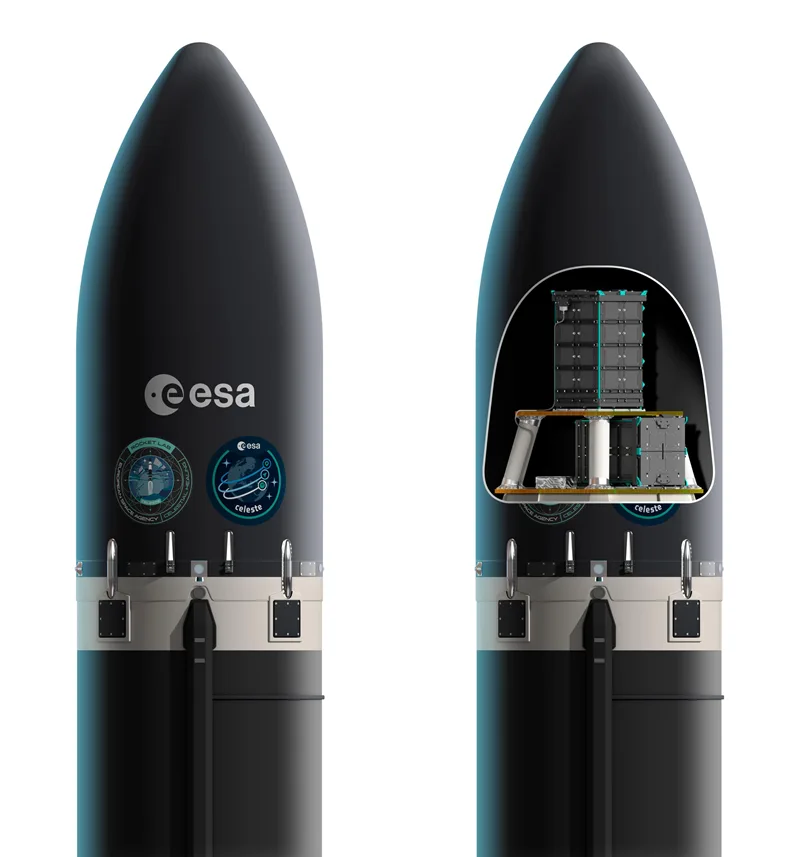
The European Space Agency (ESA) has successfully launched a pair of satellites as part of the Celeste demonstration mission, marking a key step in the development and testing of cutting-edge navigation technologies. These satellites are set to explore the potential benefits of utilizing an additional layer in low Earth orbit (LEO) to reinforce existing European navigation systems.
The Celeste mission involves two newly deployed spacecraft designed to serve as testbeds for innovative approaches to navigation. By operating in LEO, these satellites aim to complement the current constellation of European navigation satellites, offering enhanced support for positioning and timing services.
ESA’s initiative focuses on assessing how this supplementary orbital layer can improve the overall accuracy, reliability, and robustness of navigation signals. Such advancements are critical to maintaining dependable navigation and timing infrastructure, which underpins a wide range of applications from transportation to emergency response.
With the launch of these first Celeste satellites, ESA is advancing its commitment to bolstering Europe’s independent navigation capabilities. The data gathered during this demonstration will be crucial for informing future satellite deployments and refining system architecture that leverages the strategic advantages of low Earth orbit.
Details on further mission milestones or long-term plans for integrating this new orbital layer into established navigation systems have yet to be disclosed. Nevertheless, the deployment of the Celeste satellites represents a significant move toward enhancing the resilience of space-based navigation services in Europe.
The European Space Agency deployed two Celeste satellites to test innovative navigation technologies and enhance orbital system resilience.