App Store Sees Surge in New Apps Amid Growth of No-Code Platforms in Early 2026
July 21, 2026
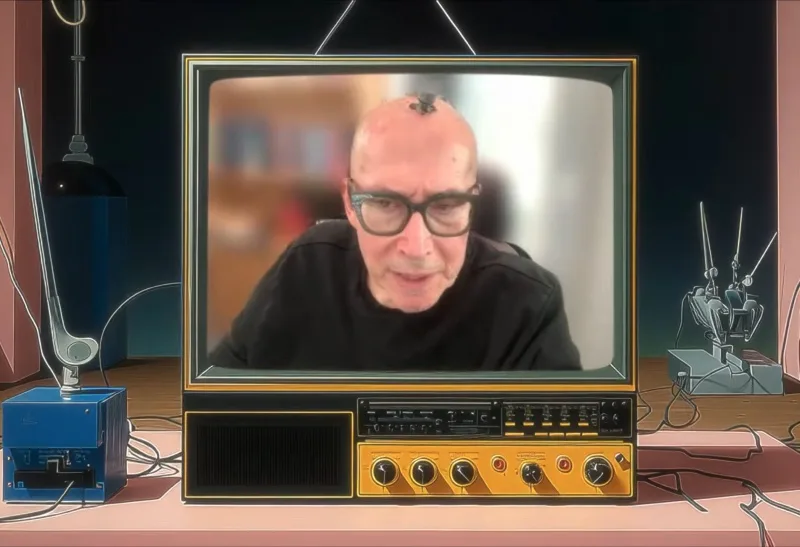
Advancements in brain-computer interfaces (BCI) are opening new frontiers for individuals with paralysis, extending beyond communication and basic computer control to the realm of creative expression. A 69-year-old psychologist and researcher, Galen Buckwalter, has harnessed six brain implants not only to regain computer operation capabilities and restore sensory feedback but also to compose music. This innovative use of neural implants marks a significant step in assistive neurotechnology applications.
Galen Buckwalter’s journey illustrates how cutting-edge BCI technology is transforming lives by enabling those with limited physical mobility to engage actively in artistic endeavors. Utilizing his array of brain implants, Buckwalter generates musical compositions that have been integrated into the latest album of Siggy, a Los Angeles-based punk band known for its distinctive sound. This collaboration highlights the merging of neuroscience and music technology to create new avenues for artistic collaboration and inclusivity.
The six implants implanted in Buckwalter’s brain facilitate a complex interaction with digital systems, allowing the translation of neural signals into actionable commands. These commands enable him not only to operate computer interfaces with high precision but also to influence musical parameters and generate unique themes. The restoration of sensory feedback plays a crucial role, enhancing his interaction with the technology and the creative output.
Brain-computer interfaces are increasingly utilized to restore lost bodily functions, especially for individuals affected by paralysis, spinal cord injuries, or neurodegenerative disorders. Buckwalter’s example pushes this utility further into the creative domain, demonstrating that these interfaces can serve as powerful tools for innovation and personal fulfillment in areas traditionally reliant on physical capabilities.
The integration of Buckwalter’s compositions into Siggy’s punk album represents a pioneering collaboration between neurotechnology users and musicians, illustrating how emerging technologies are influencing the cultural landscape. This convergence offers new possibilities for artists and audiences alike, potentially reshaping how music is created and experienced.
While the specifics of the implants and the technical setup were not disclosed, the case underscores the rapid development of brain-computer technologies. These advancements promise enhanced opportunities for accessibility and creativity for individuals with disabilities, expanding the limits of human-machine interaction.
The continued research and application of BCIs hold significant implications for healthcare, rehabilitation, and creative arts. Innovative deployments like Buckwalter’s musical work suggest that brain implants may soon become integral to both therapeutic solutions and artistic expression, enabling users to communicate, create, and connect in novel ways despite physical limitations.
A paralyzed psychologist uses six brain implants to control a computer and create music featured in a punk band’s new album.