App Store Sees Surge in New Apps Amid Growth of No-Code Platforms in Early 2026
July 21, 2026
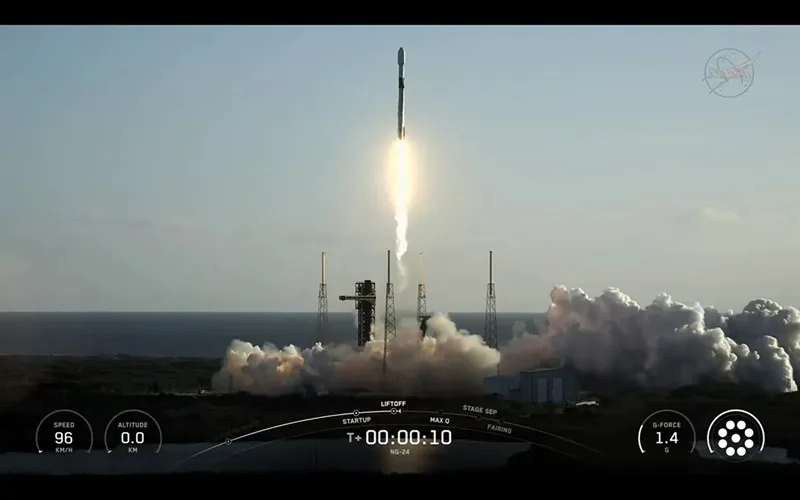
NASA is scheduled to launch the Falcon 9 rocket carrying the enhanced Cygnus XL cargo spacecraft to the International Space Station (ISS). This mission will deliver nearly 5,000 kilograms of equipment, supplies, and provisions essential for station operations and scientific research.
The Cygnus XL represents a significant evolution from its predecessors, primarily due to its expanded cargo capacity. With the ability to transport up to 4,990 kilograms of freight, this upgraded vehicle exceeds the original Cygnus model’s maximum payload of approximately 3,856 kilograms. The design improvements allow for larger and heavier shipments on a single flight, contributing to more efficient resupply missions.
Since entering service, the standard Cygnus spacecraft has completed over 20 flights to the ISS, establishing a reliable track record in delivering vital supplies. The new XL version builds on this success by accommodating an expanded load, supporting the growing demands of the space station’s crew and experiments.
The Falcon 9 rocket launch marks a continuation of NASA’s partnership with commercial space companies to maintain steady logistics support for the ISS. By leveraging advancements such as the Cygnus XL, NASA aims to streamline cargo delivery and ensure the sustainability of long-term human presence in low Earth orbit.
The payload aboard this mission encompasses a diverse array of hardware, scientific instruments, and consumables required to sustain and advance operations aboard the station. The nearly 5-ton shipment reflects the critical importance of ongoing resupply efforts in maintaining the functionality and productivity of the orbiting laboratory.
Details about the launch timing and specific contents of the cargo have been provided as part of NASA’s regular mission updates. However, pricing information and availability of future Cygnus XL missions have not been disclosed.
The transition to larger cargo vehicles underscores the broader trend in space logistics toward maximizing payloads and optimizing delivery schedules. As the ISS continues to serve as a hub for international collaboration and scientific discovery, upgraded vehicles like the Cygnus XL will play a crucial role in supporting the station’s expanding needs.
NASA prepares to launch the upgraded Cygnus XL spacecraft carrying almost 5 tons of cargo to the International Space Station.