Advancements in CFET Technology Promise Faster, Smaller, and More Reliable Semiconductor Transistors
July 21, 2026
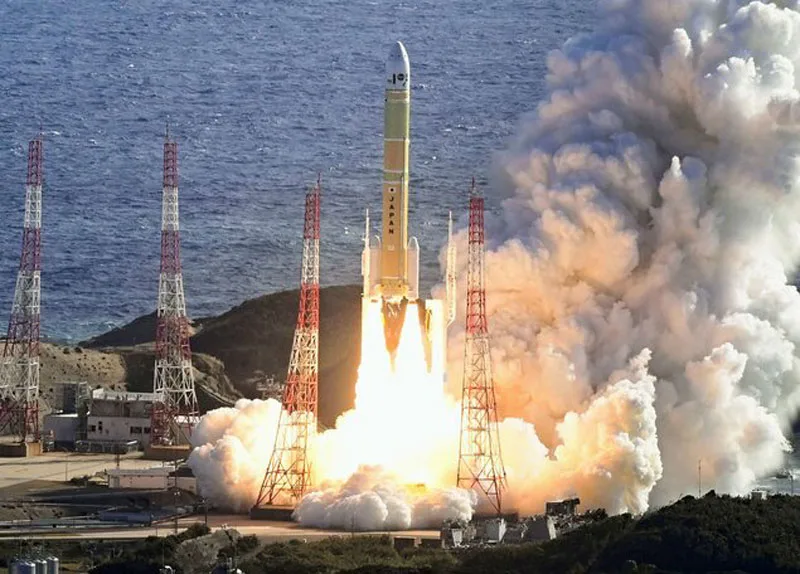
Japan’s H3 rocket program has encountered significant technical challenges following the eighth launch, during which the rocket lost its payload before reaching orbit. This incident prompted a detailed investigation that revealed multiple structural deficiencies, primarily concentrated around the payload attachment area but also found in other rocket components.
The December 22, 2025, flight marked the eighth attempt to successfully deploy the H3 rocket, Japan’s latest domestically developed launch vehicle intended to advance the nation’s space capabilities. Unfortunately, the mission ended prematurely when the payload detached unexpectedly during ascent, signaling a serious mechanical failure.
Subsequent forensic analysis carried out by the engineering teams identified several construction flaws that compromised the integrity of the payload mounting systems. These deficiencies not only explain the conditions that led to the loss on the eighth flight but were also identified in other sections of the rocket. The discovery raises concerns about the overall reliability of the H3 design in its current iteration.
In light of these findings, the next scheduled H3 launch will be designated a test flight utilizing a simulated payload rather than carrying expensive or mission-critical cargo. This approach aims to mitigate the risk of further loss while engineers work on rectifying the discovered shortcomings. By employing a dummy payload, the teams intend to verify that modifications and quality controls address the newly identified vulnerabilities before resuming regular operations.
The H3 rocket project has been a cornerstone of Japan’s ambitions for independent and cost-effective space access. These recent setbacks signal the ongoing complexity of developing advanced launch systems, emphasizing the importance of iterative testing and rigorous evaluation. While adjustments to the payload interface and structural components are underway, no specific timeline has been announced for when the H3 rocket will return to commercial or scientific missions.
The lessons learned from these investigations will likely influence future Japanese aerospace engineering practices and could inform improvements in launch vehicle safety protocols worldwide. As Japan continues to refine the H3’s design, collaboration with international aerospace experts and increased testing will be critical to restoring confidence in the vehicle’s operational capabilities.
After the eighth H3 rocket launch lost its payload, Japanese engineers uncovered structural defects that could affect future missions.