
App Store Sees Surge in New Apps Amid Growth of No-Code Platforms in Early 2026
July 21, 2026
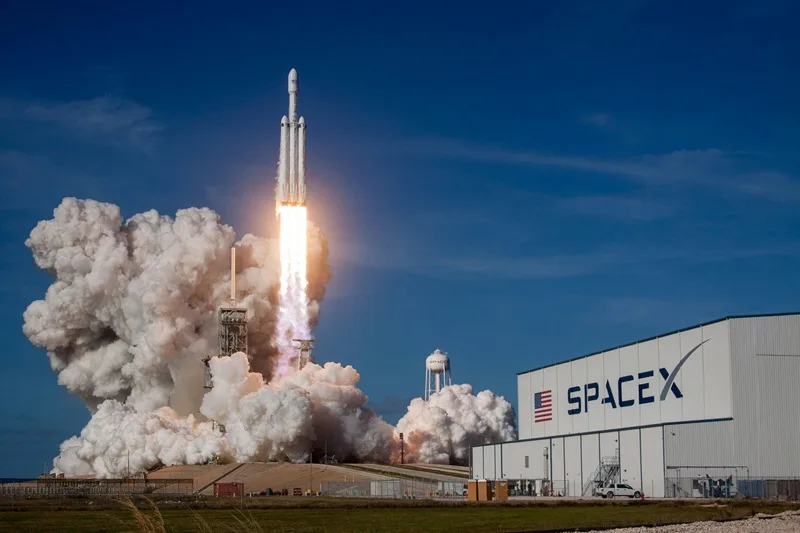
SpaceX has submitted a formal application to the Federal Communications Commission (FCC) seeking authorization to deploy a vast constellation of satellites, numbering up to one million units. This ambitious plan aims to build a network of orbital data centers situated at altitudes ranging approximately from 500 to 2,000 kilometers above Earth.
Currently, SpaceX operates just over 9,600 satellites as part of its Starlink satellite internet service, which itself represents one of the largest low Earth orbit (LEO) constellations deployed to date. The newly proposed satellite array would mark a dramatic increase in the company’s orbital infrastructure and broaden the use of space-based assets beyond connectivity toward data processing and storage capabilities in orbit.
While details surrounding the specific design and functionality of the planned orbital data centers remain limited, the FCC filing indicates that SpaceX envisions these satellites functioning as centers for data handling and exchange. This concept potentially reflects a significant evolution in how companies could leverage space assets to complement terrestrial cloud computing facilities, reducing latency and enhancing data security.
The notion of operating data centers in orbit represents a pioneering approach to managing the ever-growing demands of cloud infrastructure and digital services. Locating data centers off-planet could alleviate ground-based constraints such as land availability and energy consumption while offering novel capabilities facilitated by the unique conditions in space.
SpaceX, having already disrupted the satellite internet market with Starlink, is now exploring the intersection of satellite technology with advanced computing infrastructure. The proposed network would occupy orbital altitudes far higher than those typical for traditional LEO constellations focused solely on communications, positioning the satellites well above most terrestrial weather systems and atmospheric disturbances.
The scale of the request—up to one million satellites—is unprecedented and calls attention to both the technical and regulatory challenges ahead. Managing such a massive fleet would require advanced automation, robust collision avoidance strategies, and coordination with international space traffic management frameworks.
As with any large-scale satellite deployment, concerns about space debris and orbital congestion will be central topics for stakeholders. The success of this initiative will depend heavily on adherence to responsible space stewardship and innovations in satellite design that prioritize sustainability and end-of-life deorbiting capabilities.
The FCC’s review process will examine the proposal’s technical feasibility, spectrum allocation plans, and compliance with existing space policies. Approval by the commission would mark a significant step for SpaceX in expanding its vision for space infrastructure far beyond its current Starlink service.
Although the timeline for the deployment of these satellites has not been disclosed, the filing signals SpaceX’s continued commitment to pushing the envelope in space-based technologies. It also reflects growing industry interest in leveraging orbital environments for diverse computing and communications applications, potentially shaping the future landscape of both cloud computing and satellite ecosystems.
SpaceX has filed a request with the FCC to launch up to one million satellites, aiming to establish a network of orbital data centers between 500 and 2,000 km altitude.