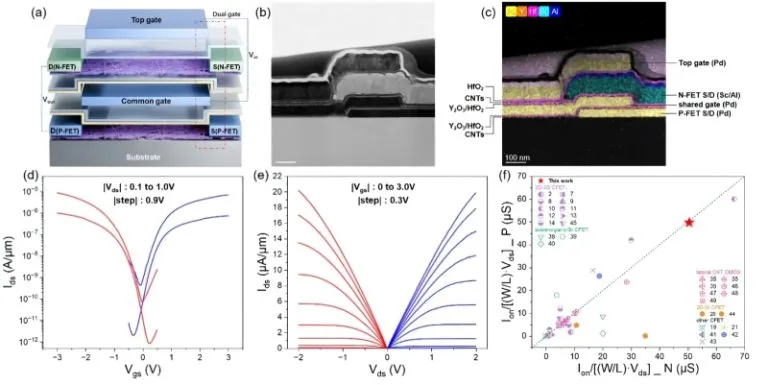
Advancements in CFET Technology Promise Faster, Smaller, and More Reliable Semiconductor Transistors
July 21, 2026
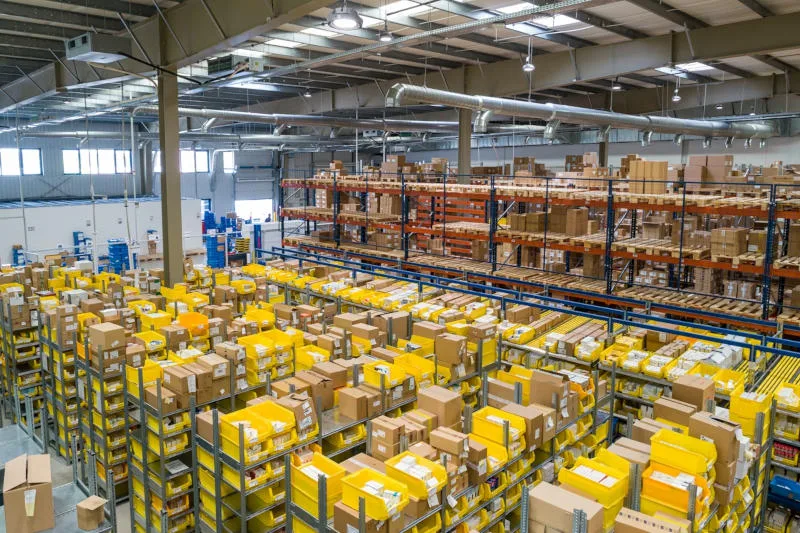
The warehousing sector is on track for a significant transformation as robotic automation gains increasing prominence. Industry analysts forecast that by 2030, over half of new warehouse facilities in developed markets will be designed with robotics as the central operational element, minimizing the need for human workers.
This shift towards robot-oriented warehouse designs reflects growing advancements in automation technology and artificial intelligence, which enable more efficient and reliable management of storage, retrieval, and distribution tasks. Warehouses built with automated systems can operate continuously with reduced labor costs and improved accuracy.
The trend signals changes not only in warehouse infrastructure but also in labor dynamics within the logistics and supply chain industries. Companies are expected to invest heavily in automated solutions to meet rising demand for quick and accurate order fulfillment. This will likely lead to a decrease in on-site human labor, particularly in operational roles traditionally associated with manual handling and inventory management.
While the widespread integration of robots in warehousing poses challenges related to workforce transition and skills development, it also opens opportunities for roles focused on managing and maintaining automated systems. The evolution of warehouses into highly automated hubs is aligned with broader industry moves toward digital transformation and efficient resource utilization.
As robotic systems continue to advance, warehouses are expected to become increasingly autonomous, reshaping the future of storage and distribution on a global scale. The anticipated rise of robot-driven facilities highlights the critical role of innovation in meeting evolving market needs and optimizing logistics operations.
By 2030, more than half of new warehouses in advanced markets will prioritize robotic automation over human labor, experts predict.