Advancements in CFET Technology Promise Faster, Smaller, and More Reliable Semiconductor Transistors
July 21, 2026
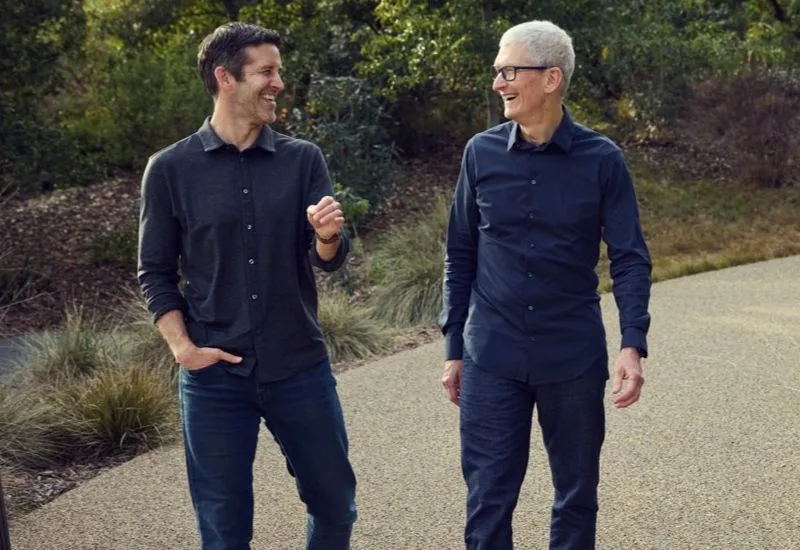
As Apple prepares for a significant leadership transition, the incoming CEO John Ternus is expected to confront a complex geopolitical and economic landscape. He will need to carefully manage the relationship between the company’s longstanding manufacturing operations in China and increasing pressure from the United States government to boost domestic production.
Apple’s current CEO, Tim Cook, under considerable pressure from the US government last year, committed to investing approximately $600 billion in the American economy over a four-year period. Despite this sizable financial pledge, Cook did not guarantee the relocation of iPhone assembly to the United States, a key demand from then-President Donald Trump.
Ternus will inherit this situation where the company remains closely tied to its Chinese manufacturing ecosystem, which is crucial for its global supply chain efficiency and cost structure. However, the political dynamics and calls for supply chain resilience create a challenging environment for Apple’s future operational decisions.
The new CEO’s role will involve striking a strategic balance between these competing demands. On one hand, the importance of maintaining Apple’s extensive production capabilities in China is undeniable, given the established infrastructure and skilled workforce. On the other, there is mounting pressure from US policymakers to localize more of Apple’s manufacturing to support domestic jobs and reduce dependency on foreign supply chains.
Complicating matters further is the broader context of US-China relations, where trade tensions and regulatory hurdles can impact global companies like Apple in significant ways. Ternus’s leadership will be pivotal in navigating these geopolitical challenges while safeguarding the company’s innovation and market position.
Apple’s strategic choices regarding production and investment locations will likely reflect a nuanced approach rather than a wholesale shift of assembly lines. The new CEO’s ability to negotiate this complex terrain may set the tone for Apple’s operational model and international market engagement in the years ahead.
Overall, John Ternus steps into his new role at a critical juncture for Apple, with balancing US economic interests and the enduring significance of China’s manufacturing prowess at the forefront of his challenges.
Apple’s incoming CEO John Ternus must navigate complex tensions between US economic pressures and China’s manufacturing dominance.