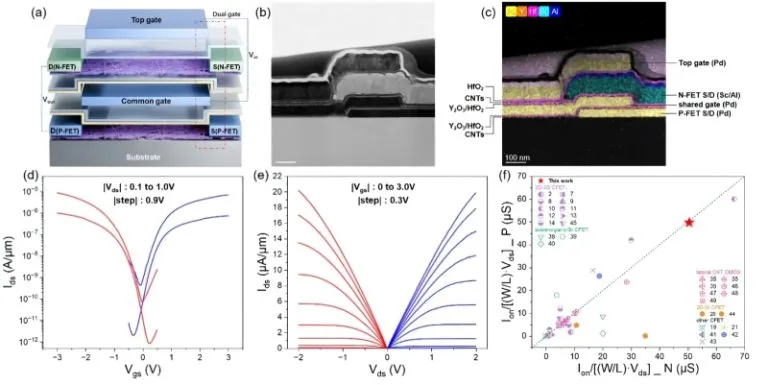
Advancements in CFET Technology Promise Faster, Smaller, and More Reliable Semiconductor Transistors
July 21, 2026
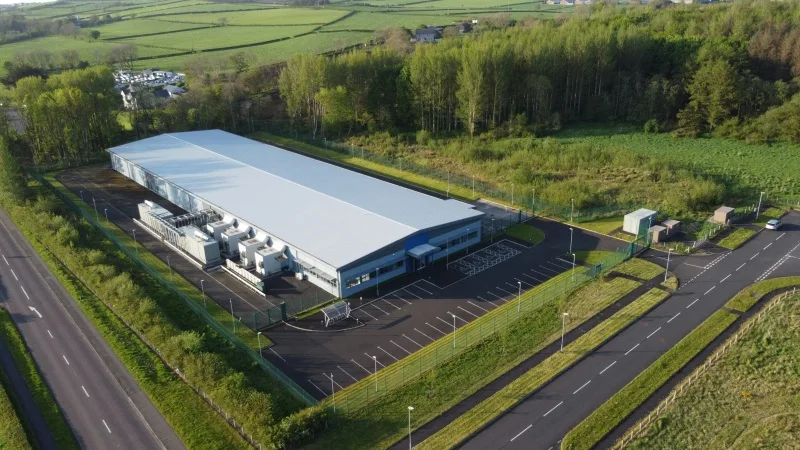
The rapid expansion of artificial intelligence (AI) data centers in Texas is creating unforeseen labor challenges for the residential construction industry. A growing demand for skilled electricians to work in these high-tech facilities has led to competition for workers, contributing to delays in the completion of new housing projects across the state.
Data centers supporting AI infrastructure require a significant amount of specialized electrical work, including installation and maintenance of wiring systems critical for continuous operation. Operators of these centers are offering higher wages to attract qualified electricians, which has resulted in many tradespeople leaving residential construction sites in favor of the more lucrative opportunities in data center construction and maintenance.
This shift in labor allocation is one of several factors slowing down the pace at which new homes are being finalized in Texas. Industry sources estimate that residential projects are experiencing at least a two-month delay, primarily due to the shortage of electricians willing to work on these housing developments.
While the rising AI sector drives demand for data centers, the impact reaches beyond technology and into local infrastructure. The construction industry is grappling with balancing workforce availability between traditional residential needs and emerging high-tech facilities.
Rather than an issue of preference for AI-related work, electricians are reportedly responding to the economic incentives, as data center roles often come with better pay and potentially more stable employment conditions. This trend highlights the interconnected challenges faced by regions experiencing rapid technological growth alongside sustained housing demand.
As Texas continues to be a hotspot for new data centers supporting AI capabilities, the repercussions on labor markets and construction timelines could become more pronounced. Stakeholders in both the housing and technology sectors may need to collaborate to address workforce shortages and mitigate project delays.
Although the full economic impact of these shifts remains to be seen, the current scenario underscores the broader effects of the AI boom, extending far beyond the tech industry and influencing the availability of skilled labor in critical infrastructure domains.
Texas faces delays in new housing projects as data center operators attract electricians with higher pay amid AI data boom.