App Store Sees Surge in New Apps Amid Growth of No-Code Platforms in Early 2026
July 21, 2026
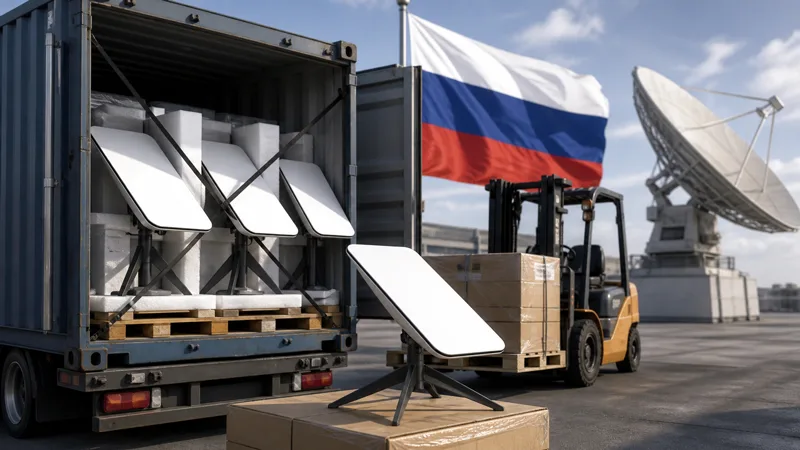
The Russian government has enacted a temporary ban on the importation of foreign satellite internet terminals, including devices such as Starlink, the well-known satellite broadband system. This measure aims to restrict any equipment capable of receiving and transmitting signals from overseas communication satellites without an official license.
The restrictions, announced through a government decree, apply for a six-month period and cover all dual-use devices that can function in satellite communications. This ban is intended to be a precautionary step to safeguard national security interests, according to the authorities.
The limitation targets a wide range of terminals that facilitate satellite internet access but are not authorized by Russia’s State Commission on Radio Frequencies. It affects not only consumer devices like those provided by SpaceX’s Starlink service but also other foreign satellite internet providers whose hardware allows interaction with international communication satellites.
Satellite internet services have become increasingly significant in providing connectivity, especially in remote regions where traditional infrastructure is limited. However, countries like Russia are intensifying regulation of foreign telecommunications equipment that operates through external satellites, citing concerns over control and security.
This move reflects a broader trend where governments scrutinize the import and use of foreign technology components that may pose risks related to data security or military applications. Starlink and similar satellite internet services, while commercially available globally, face rising restrictions depending on local regulatory environments.
Details regarding specific enforcement measures and penalties for violations of the import ban have not been publicly disclosed. The decree also does not elaborate on any exceptions, leaving the future availability of foreign satellite terminals in the Russian market uncertain during the six-month prohibition.
Industry observers note that satellite internet technology plays a critical role in global connectivity, but balancing access with national security considerations remains a complex challenge for regulators worldwide. The Russian decision contributes to an evolving regulatory landscape for international satellite communications equipment.
Russia imposes a six-month restriction on importing Starlink and other foreign satellite internet devices over national security concerns.