Advancements in CFET Technology Promise Faster, Smaller, and More Reliable Semiconductor Transistors
July 21, 2026
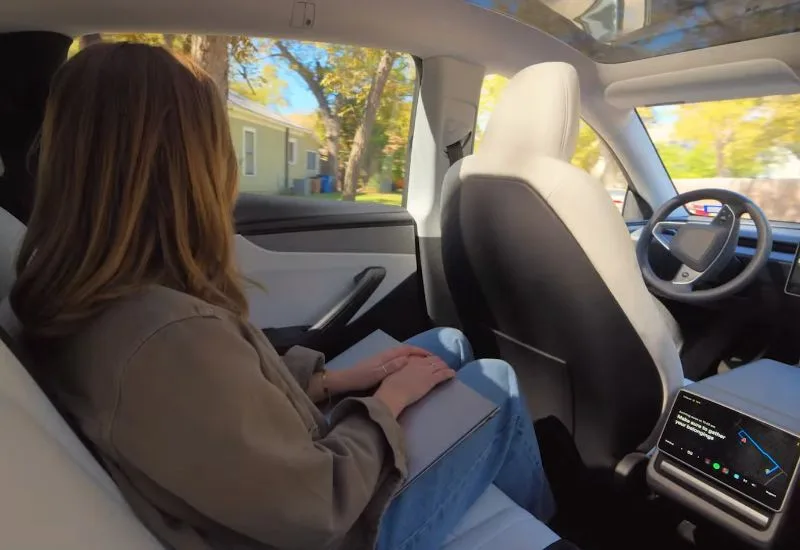
Nearly one year after Tesla initiated its robotaxi service in Austin, Texas, the company is steadily increasing the number of fully autonomous vehicles operating within its fleet. Tesla’s robotaxi program began operating in the state capital in June 2025, strategically coinciding with the location of Tesla’s largest manufacturing plant and corporate headquarters.
Originally confined to the Austin metropolitan area, Tesla’s driverless ride-hailing service has recently broadened its geographic scope to include other major Texas cities. Last quarter saw the service’s introduction in Dallas and Houston, expanding the robotaxi footprint across key urban centers in the state.
Currently, Tesla’s robotaxi fleet in Texas totals 165 vehicles. Out of these, only 25 operate fully without any human driver present in the vehicle. This number highlights the cautious approach Tesla is taking toward fully autonomous rides, balancing ongoing development and testing with commercial service.
While driverless cars represent a significant technological milestone, the majority of Tesla’s robotaxis still include a safety driver behind the wheel. This blended model enables Tesla to gather valuable data and maintain operational safety as the company refines its autonomous driving software and regulatory compliance.
The presence of Tesla’s HQ and manufacturing hub in Texas provides a strategic advantage for the robotaxi program, allowing close coordination between product development and real-world deployment. The expansion into Dallas and Houston signals Tesla’s intent to scale the service beyond its initial test market gradually.
Details regarding pricing, service availability across specific neighborhoods, or plans to accelerate the number of driverless vehicles were not disclosed. However, Tesla’s continued expansion of its robotaxi service in the competitive autonomous vehicle and ride-hailing landscape demonstrates ongoing commitment to AI-driven transportation solutions.
As the service matures, Tesla’s experience operating in multiple urban centers will likely inform future enhancements, regulatory engagement, and scaling strategies crucial to widespread adoption of robotaxi services in the United States.
Tesla’s robotaxi service in Texas now operates 25 fully driverless vehicles out of 165, marking gradual growth since its launch in Austin.