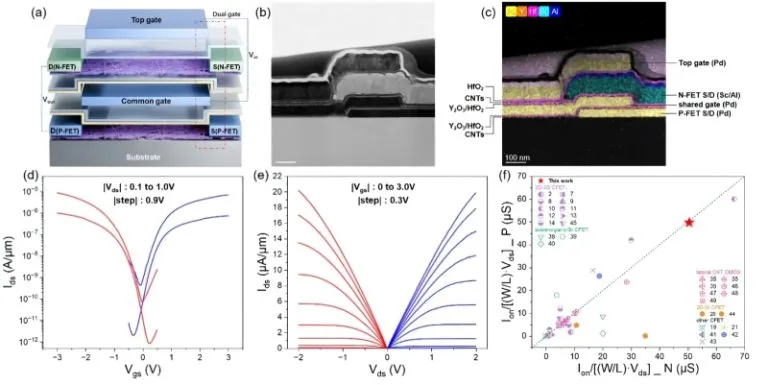
Advancements in CFET Technology Promise Faster, Smaller, and More Reliable Semiconductor Transistors
July 21, 2026
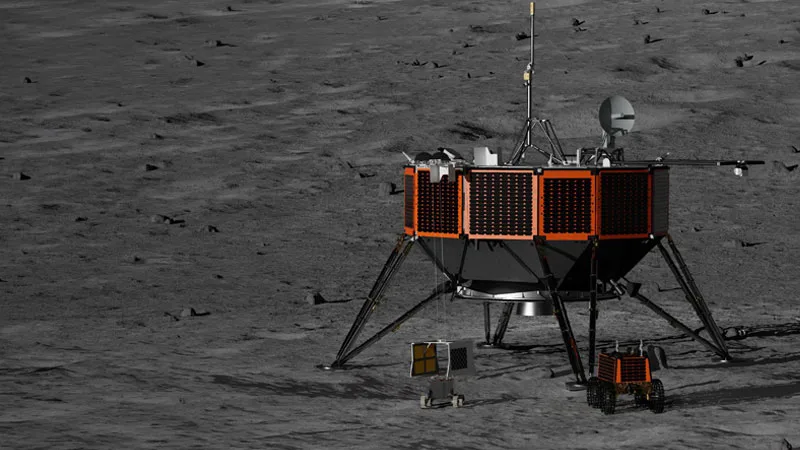
NASA has announced a significant increase in its financial support for private companies developing lunar landers and cargo delivery systems as part of its renewed focus on establishing a permanent human presence on the Moon.
In a strategic shift unveiled on March 24, 2026, the agency revealed that it is redirecting its space exploration priorities toward lunar missions. Central to NASA’s ambition is the construction of a sustainable lunar base, a goal that is heavily reliant on the participation of private sector partners. However, until recently, commercial interest in lunar spacecraft development had been limited due to the absence of sufficiently attractive contracts or funding opportunities.
To stimulate involvement and expedite development, NASA has increased the budget for its program supporting the transportation of private lunar landers and cargo missions by nearly 70 percent. The new funding level is set at approximately $4.2 billion, a substantial boost intended to encourage companies to accelerate design, testing, and deployment of lunar modules necessary for the establishment and maintenance of a Moon base.
The move underlines NASA’s recognition that the agency’s vision for a sustained lunar presence cannot be realized without a robust commercial ecosystem. Private firms are expected to take on much of the responsibility for ferrying equipment, supplies, and potentially personnel to the Moon’s surface, operating alongside NASA’s own assets.
While details on specific partnerships, timelines, or development milestones have not been disclosed, this funding increase signals a clear commitment by NASA to transition lunar exploration efforts from concept to operational reality within this decade. It reflects a broader trend in space exploration where public agencies collaborate increasingly with private industry to share costs, innovation, and risks.
The expanded funding is anticipated to drive competition among private aerospace companies, fostering technological advancements in landing systems and cargo delivery capabilities that will be crucial for maintaining lunar infrastructure. These initiatives are expected to contribute not only to scientific and exploratory objectives but also to the development of future capabilities that might facilitate missions deeper into the solar system.
NASA’s financial commitment marks an important milestone in its lunar strategy and highlights how critical private sector involvement is to the next chapter of human space exploration.
NASA increases investment by nearly 70% to $4.2 billion to encourage private lunar lander development for its permanent Moon base plans.