App Store Sees Surge in New Apps Amid Growth of No-Code Platforms in Early 2026
July 21, 2026
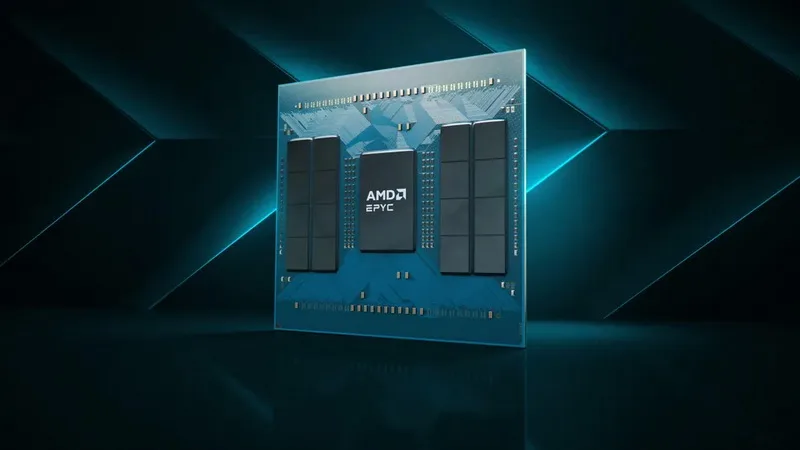
AMD is set to evolve its server processor strategy by moving away from universal CPU designs to a more fragmented approach tailored for specific data center workloads. The company’s upcoming plans involve broadening the EPYC processor portfolio to better meet the diverse demands of modern cloud and artificial intelligence (AI) environments.
The change reflects growing complexity and differentiation in data center operations, where one-size-fits-all server CPUs no longer meet the full spectrum of performance and efficiency needs. As hyperscale data center operators increasingly develop custom silicon optimized for varied workloads, AMD aims to stay competitive by delivering processors specialized for distinct scenarios.
Currently, EPYC processors serve a broad range of applications within data centers. However, AMD recognizes that emerging tasks—particularly AI training and inference, cloud services, and other specialized computing—require CPUs tailored to their unique performance characteristics.
By segmenting its EPYC lineup, AMD plans to offer variants optimized for specific roles such as artificial intelligence acceleration, cloud computing efficiency, and general-purpose server functions. This modular strategy aligns with broader industry trends where customization at the chip level is key to meeting the ever-increasing demands of hyperscale data centers.
The shift also acknowledges operators’ preference for specialized hardware designed to maximize workload performance, reduce power consumption, and increase operational efficiency. With hyperscalers increasingly developing and integrating custom accelerators and processors, AMD’s flexible approach positions it to collaborate and compete effectively in this evolving landscape.
While detailed specifications, timelines, and pricing information were not disclosed, this strategic pivot underscores how server CPU manufacturers are adapting to the changing tech ecosystem. As cloud providers and AI developers push the boundaries of computational capabilities, processor makers must evolve their offerings to stay relevant and competitive.
In summary, AMD’s move to diversify EPYC processors addresses the fragmented nature of modern data center requirements, preparing the company to meet the needs of AI workloads, cloud services, and other emerging use cases with more specialized and efficient CPU architectures.
AMD plans to diversify its EPYC server CPU lineup to better serve AI, cloud, and other specialized data center workloads amid growing demand.