
Advancements in CFET Technology Promise Faster, Smaller, and More Reliable Semiconductor Transistors
July 21, 2026
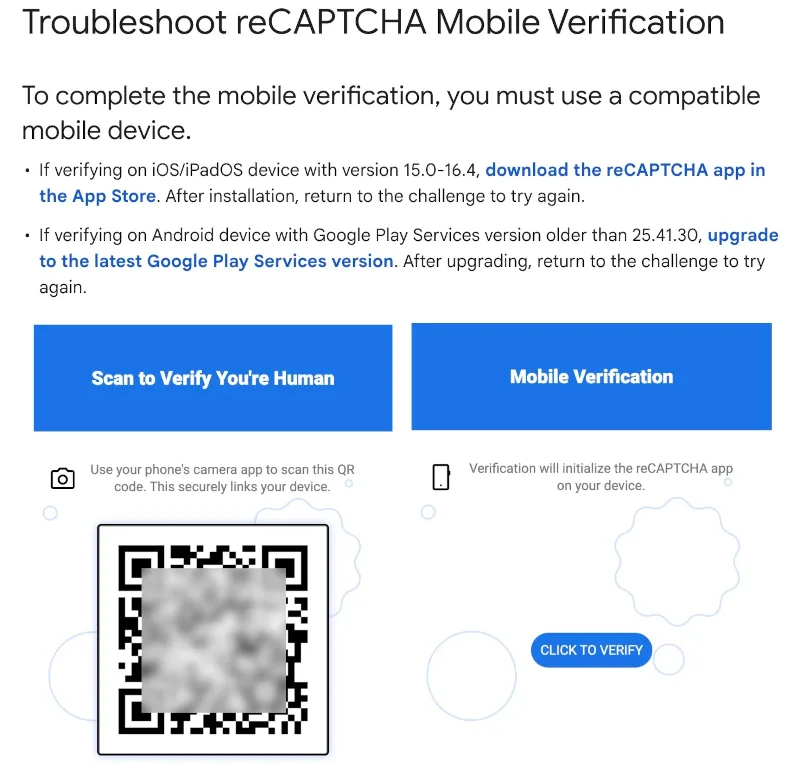
Google recently introduced a significant change to its reCAPTCHA system, integrating the next generation of this verification technology directly with its proprietary Google Play Services on Android devices. This adjustment affects millions of websites that rely on reCAPTCHA for bot prevention and user verification, particularly impacting users operating Android devices without Google’s suite of services.
reCAPTCHA, widely used across the internet to distinguish between human users and automated bots, has become a common tool to protect online platforms. The latest iteration introduced by Google is tightly coupled with the closed ecosystem of Google Play Services, a set of background services essential for many Android features and apps. This dependency means that for reCAPTCHA verification to function properly, Android devices must have Google Play Services installed and active.
This change has disrupted the experience for users operating custom versions of Android that do not include Google Play Services. Such operating systems, often referred to within tech circles as “degoogled” versions of Android, deliberately exclude Google’s proprietary software to enhance privacy or reduce dependence on Google infrastructure. Users on these systems are now unable to pass reCAPTCHA challenges on numerous websites, effectively barring them from accessing services that require verification.
Previously, while some limitations existed, users without Google Play Services could often work around verification checks. With this new integration, however, the verification system will fail automatically on unsupported devices. This effectively locks out a segment of Android users from websites employing Google’s updated reCAPTCHA mechanism.
The repercussions of this move reach beyond inconvenience. It potentially limits user choice regarding Android operating systems and raises questions about openness and interoperability within the Android ecosystem. Websites enforcing reCAPTCHA now depend on Google’s platform, which may affect the neutrality of verification processes.
Google Play Services serve as a critical backbone for many functionalities on Android, including updates for Google apps, authentication services, location services, and security enhancements. By integrating reCAPTCHA into this environment, Google strengthens control over how verification is handled on the platform. However, this increased control restricts access for users opting out of Google’s ecosystem on their mobile devices.
At this time, Google has not provided detailed information regarding alternative verification options for users without Google Play Services or whether adjustments will be made to accommodate non-Google environments. The impact is primarily on users of custom ROMs and privacy-focused Android variants that exclude Google software.
This development underscores the ongoing tensions between platform control and user autonomy in the mobile ecosystem. While Google aims to provide robust anti-abuse mechanisms through reCAPTCHA, the dependence on proprietary services reduces compatibility across the diverse Android landscape.
As the Android community continues to explore options beyond Google’s framework, the recent tie-in of reCAPTCHA to Google Play Services highlights challenges around interoperability and accessibility. Mobile users and developers who prioritize open-source or privacy-focused approaches may need to seek alternative solutions for verification needs moving forward.
Google has tied its reCAPTCHA verification system to Play Services, impacting Android users on custom OS without Google services.