App Store Sees Surge in New Apps Amid Growth of No-Code Platforms in Early 2026
July 21, 2026
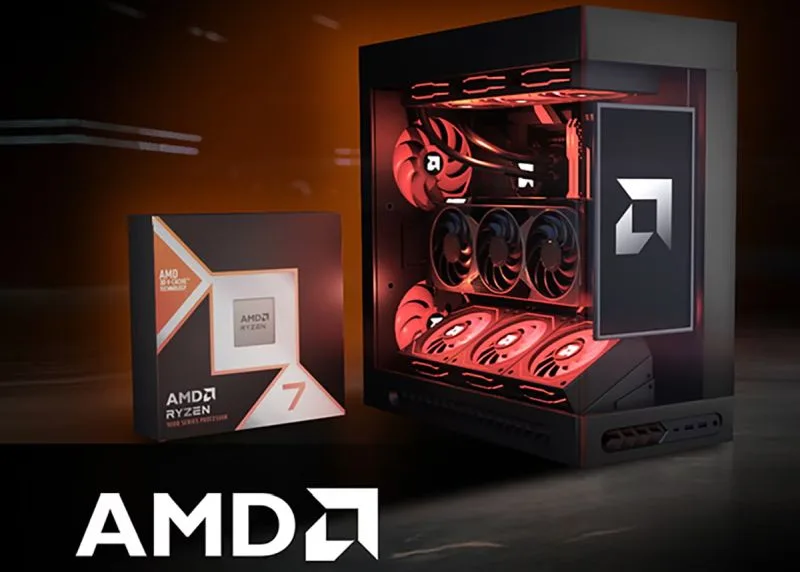
AMD has made notable progress in boosting the performance of its Ryzen 7 9850X3D processor through factory overclocking, marking another example of the company’s strategy to extend the viability of existing PC platforms. This approach allows users to upgrade performance without the need for new motherboards, reflecting AMD’s ongoing commitment to platform longevity.
The Ryzen 7 9850X3D, introduced as part of AMD’s recent lineup, achieves increased clock speeds thanks to its factory overclock settings rather than through fundamental architectural changes. This method leverages the processor’s existing capabilities by pushing operational frequencies beyond standard specifications, delivering improved computing power directly out of the box.
While factory overclocking provides a clear performance benefit, it also leads to a rise in power consumption. The increased energy demand comes as a trade-off for higher clock rates, potentially impacting thermal and efficiency considerations. This reflects the balancing act AMD has managed to maintain between performance enhancement and power usage within its existing platform ecosystems.
Historically, AMD has earned recognition for its ability to prolong the lifespan of PC platforms by developing specialized processors that are backwards compatible with existing motherboard architectures. The Ryzen 7 9850X3D continues this tradition, offering users a straightforward upgrade path without requiring new hardware investments at the motherboard level.
This strategy aligns with AMD’s broader market approach, catering to users who seek improved performance without the complexity or added cost associated with a full system overhaul. The processor’s factory overclocking serves as a practical means to achieve performance gains while maintaining compatibility within current platform standards.
Despite the improvements introduced by factory overclocking, specific information regarding availability, pricing, or performance benchmarks for the Ryzen 7 9850X3D remains limited. Consumers interested in the processor should weigh the benefits of increased speeds against the higher power consumption and potential thermal impacts when considering an upgrade.
AMD’s continued investment in refining processor capabilities without disrupting existing PC ecosystems highlights its commitment to delivering value and sustaining platform relevance. The Ryzen 7 9850X3D exemplifies this approach by combining enhanced clock speeds with broad motherboard compatibility, maintaining AMD’s position in a competitive CPU landscape.
As processor demands evolve, AMD’s ability to innovate within the constraints of established platforms may remain a key differentiator, particularly for users prioritizing incremental upgrades and system stability over complete hardware refreshes.
AMD enhances Ryzen 7 9850X3D speeds using factory overclocking, continuing its tradition of long platform support but raising power demands.