Adata Predicts DRAM Memory Market Challenges Could Persist for a Decade
July 21, 2026
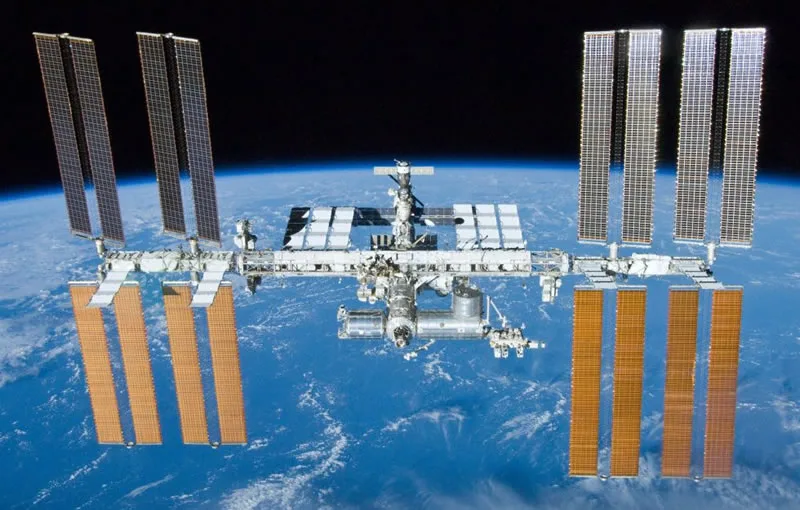
NASA has officially confirmed the recurrence of an air leak in the Russian segment of the International Space Station (ISS). The leak originates in the transition module adjacent to the Zvezda service module, an issue that had been declared resolved earlier this year.
The leak was initially detected several months ago, with January seeing reports that the problem had been mitigated. However, recent measurements indicate that the air loss has resumed in the Russian transition module, raising concerns about the integrity and safety of this section of the orbital facility.
The ISS is split into several modules operated jointly by international partners. The Russian segment plays a crucial role in providing life support, propulsion, and other key systems. Maintaining airtight seals is essential to preserving a stable onboard environment for the crew and the sensitive equipment onboard.
Monitoring air pressure and potential leaks is a continuous process aboard the station, with instruments and operational teams on Earth closely tracking changes. Although the current leak has not been described as an immediate threat, any breach in the station’s hull must be carefully managed to ensure astronaut safety and mission success.
Addressing leaks in space requires coordinated efforts from engineers and astronauts, involving diagnostics and sometimes repairs during spacewalks or module interventions. The history of the ISS includes various challenges related to maintaining its structural and environmental integrity throughout its prolonged operation in low Earth orbit.
Space station expeditions routinely encounter technical hurdles caused by the harsh environment of space and the complex design of the station. The recurrence of the air leak emphasizes the persistent maintenance demands posed by decades-old equipment and international collaboration.
While NASA and international partners have protocols and contingency plans for such events, the incident highlights the importance of robust monitoring systems and rapid response to maintain the ISS as a safe and functional environment for scientific research and human presence in space.
Further updates regarding any repair efforts or changes in station operations related to this issue are anticipated as teams continue to assess and respond to the recurrence of the leak.
NASA has detected a recurrence of an air leak in the Russian segment of the International Space Station, previously thought to be resolved.