Advancements in CFET Technology Promise Faster, Smaller, and More Reliable Semiconductor Transistors
July 21, 2026
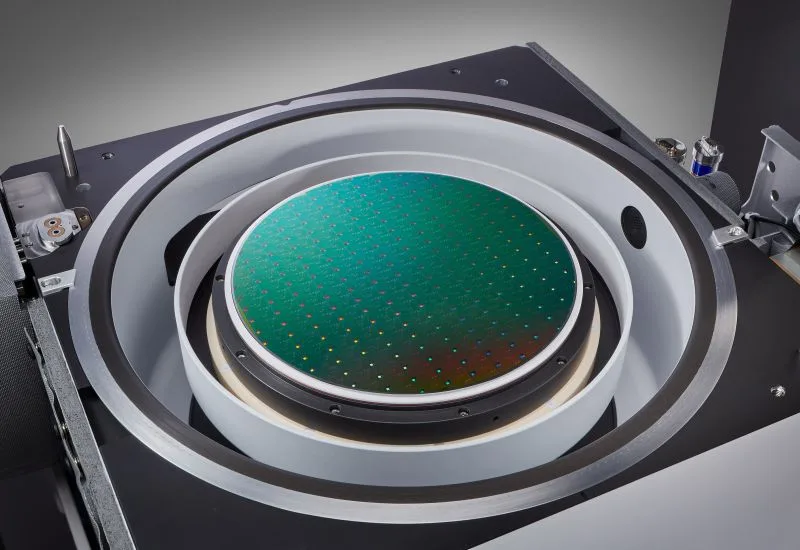
Lam Research, a prominent provider of semiconductor manufacturing equipment, has announced intentions to incorporate artificial intelligence into its hardware solutions. This move is expected to address key challenges in chip production, particularly focusing on lowering the rate of defective units.
Until recently, the relationship between AI and chip manufacturing had been primarily viewed through the lens of increasing demand for semiconductor components, driven by burgeoning sectors such as data centers, automotive electronics, and consumer devices. However, Lam Research’s approach highlights a more direct and practical deployment of AI technologies, aiming to enhance operational efficiency within the manufacturing process itself.
The integration of AI is anticipated to bring significant improvements in reducing waste and improving throughput in semiconductor fabrication. Defects in chips can arise from a variety of complex factors during the manufacturing stages, including patterning, etching, and deposition processes. By embedding intelligent automation and analytical capabilities within the equipment, Lam Research aims to monitor, detect, and correct process deviations in real-time.
While the specifics of Lam Research’s AI implementation remain undisclosed, the technology could leverage machine learning models trained to recognize subtle anomalies that human operators or traditional sensors might miss. These models would enable predictive adjustments, potentially preventing the production of faulty chips before defects occur.
This initiative aligns with broader industry trends where manufacturers are increasingly turning to AI to optimize production workflows, improve quality control, and manage the complexity of advanced semiconductor nodes. By minimizing the production of defective units, chipmakers can reduce costs, enhance resource utilization, and meet growing global demand more effectively.
Lam Research’s strategy indicates a shift from viewing AI merely as a driver of end-demand for semiconductors toward using AI as a critical tool embedded within the manufacturing ecosystem. This could lead to more intelligent and adaptive fabrication processes, which are essential as chips become more intricate and production tolerances tighten at nanoscale geometries.
Overall, the adoption of AI in semiconductor equipment by Lam Research represents a significant step toward smarter manufacturing, where advanced analytics and automation work hand-in-hand to improve product quality and operational performance across the semiconductor industry.
Lam Research aims to implement AI technologies in its chip production tools to enhance yield by minimizing defects during manufacturing.