App Store Sees Surge in New Apps Amid Growth of No-Code Platforms in Early 2026
July 21, 2026
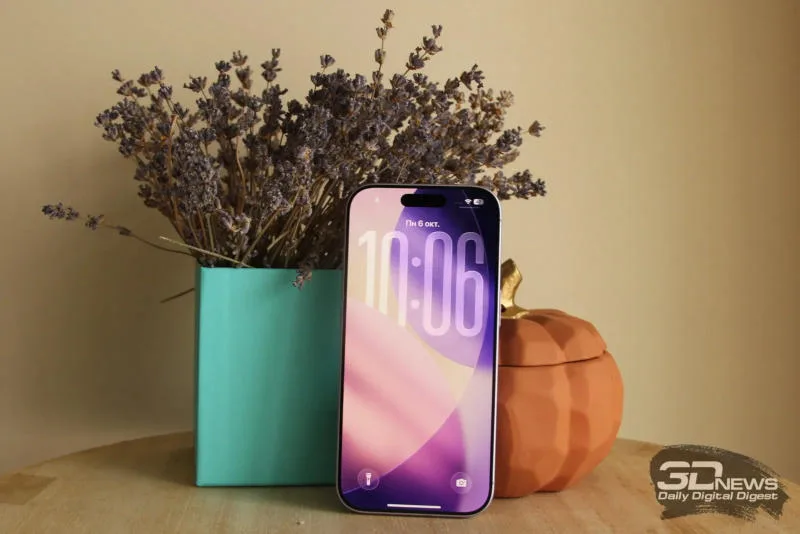
In 2026, Russia is set to roll out commercial 5G networks, marking a notable milestone in expanding high-speed mobile connectivity within the country. However, there are concerns that Apple’s iPhone models currently used in Russia may not fully support these new fifth-generation networks.
The core issue stems from the allocation of 5G frequency bands in Russia, which significantly diverge from those commonly employed in the rest of the world. While most nations adopt a relatively standardized range of spectrum for 5G deployment, Russia’s approach involves non-standard frequencies, complicating interoperability for devices designed with global band support.
As 5G networks begin commercial operation, iPhones in Russia might find themselves unable to connect or benefit from the enhanced speeds and low latency typically associated with this technology. Compatibility with the locally used frequency bands would require Apple to unlock or add support for these specific ranges in their devices.
Industry insiders suggest that Apple’s willingness or decision to enable these frequencies remains uncertain, raising the possibility that iPhones could remain limited to older network generations or less effective connections despite the national infrastructure upgrade.
This situation contrasts with other regions worldwide, where smartphone manufacturers typically ensure compatibility with standardized 5G frequency bands to guarantee seamless user experiences. Russia’s unique regulatory and spectrum allocation choices create a technical barrier for popular international smartphones aiming to operate optimally within its borders.
The implications extend beyond just Apple and iPhone users: device manufacturers and network operators across the region may face challenges in harmonizing services or ensuring broad device compatibility. Consumers could find themselves in a position where upgrading hardware or switching to specific models is necessary to leverage 5G connectivity fully.
With the fifth-generation mobile standard promising to transform digital communications through faster data rates, reduced latency, and enhanced capacity, maintaining device compatibility is critical for maximizing these benefits. The emerging scenario in Russia highlights the complexities that arise when national spectrum policies diverge from global norms.
While the rollout of 5G infrastructure in Russia represents significant progress in telecommunications, the uncertain fate of iPhone 5G support underscores potential friction points in maintaining seamless technology experiences. Future developments and official statements from Apple and local telecom regulators will be crucial to clarifying how this issue will evolve and what users can expect in the near term.
Apple iPhones in Russia could face 5G network compatibility issues because the country uses unconventional frequency bands.