App Store Sees Surge in New Apps Amid Growth of No-Code Platforms in Early 2026
July 21, 2026
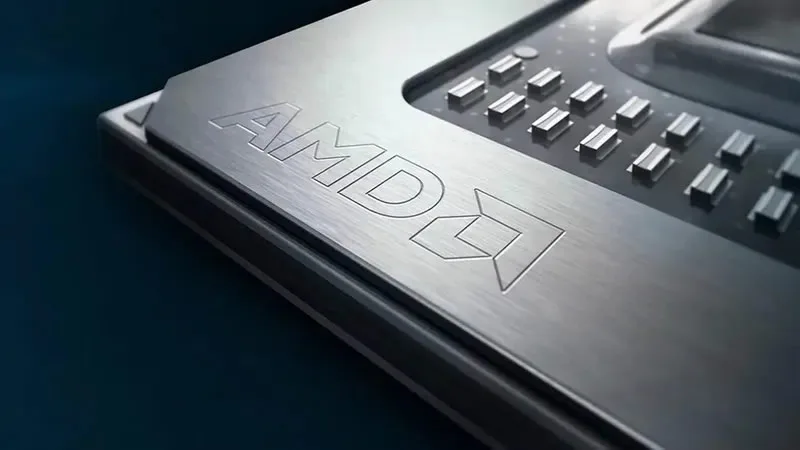
AMD is preparing to implement a significant update to its processor interrupt handling in upcoming Ryzen and Epyc CPUs by transitioning from the long-standing Interrupt Descriptor Table (IDT) to Intel’s Flexible Return and Event Delivery (FRED) technology. This shift marks a departure from an interrupt management method that has been foundational to the x86 architecture since the early 1980s.
The Interrupt Descriptor Table, or IDT, has served as the central mechanism for handling interrupts in x86 processors since its inception with Intel’s 286 CPU in 1982. While the IDT has proven reliable over many years, it is increasingly viewed as outdated and inefficient given modern computing demands.
AMD’s newly published technical documentation reveals the company’s plan to adopt the Flexible Return and Event Delivery system for future processor designs. Originally developed by Intel, FRED offers a more advanced and flexible approach to processing interrupts, potentially enabling more efficient and responsive CPU operations.
This move represents a substantial change for AMD, which historically implemented its own interrupt management framework independent of Intel’s designs. By integrating FRED, AMD aims to align with a more contemporary and performance-oriented interrupt architecture, which could lead to improvements in system responsiveness and power efficiency.
The updated FRED technology replaces the static interrupt descriptor tables with a dynamic mechanism that is designed to better handle complex scenarios in modern multi-core and multi-threaded environments. This can facilitate quicker context switching and enhanced handling of asynchronous events within the CPU.
Though AMD has not disclosed specific technical details or performance metrics regarding the implementation of FRED, the adoption itself highlights an industry trend toward leveraging more sophisticated event delivery methods as processors become increasingly complex.
This transition is set to affect both AMD’s consumer-grade Ryzen processors and its enterprise-focused Epyc line, indicating a company-wide strategy to modernize its CPU architecture. It also demonstrates a growing collaboration or technology adoption across what has traditionally been seen as rival chip manufacturers.
As CPUs continue to evolve to accommodate workloads involving AI, data centers, and other high-demand applications, interrupt handling plays an essential role in overall system efficiency. Moving from the established but aging IDT to a forward-looking framework like FRED could provide AMD processors with advantages in handling real-time events and improving throughput.
The details on when the first AMD Ryzen and Epyc models featuring FRED will launch remain undisclosed. However, the publication of this technical information suggests the changes are in an advanced stage of development and likely part of AMD’s near-future processor roadmaps.
AMD will phase out the legacy IDT interrupt method in upcoming Ryzen and Epyc processors, adopting Intel’s modern FRED system.