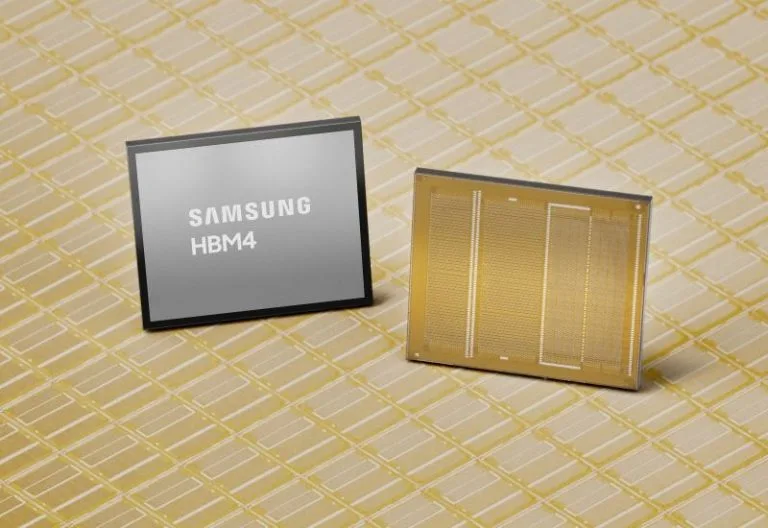
Samsung Surpasses $1 Billion in HBM4 Memory Sales as SK hynix Reevaluates Growth Strategy
June 23, 2026
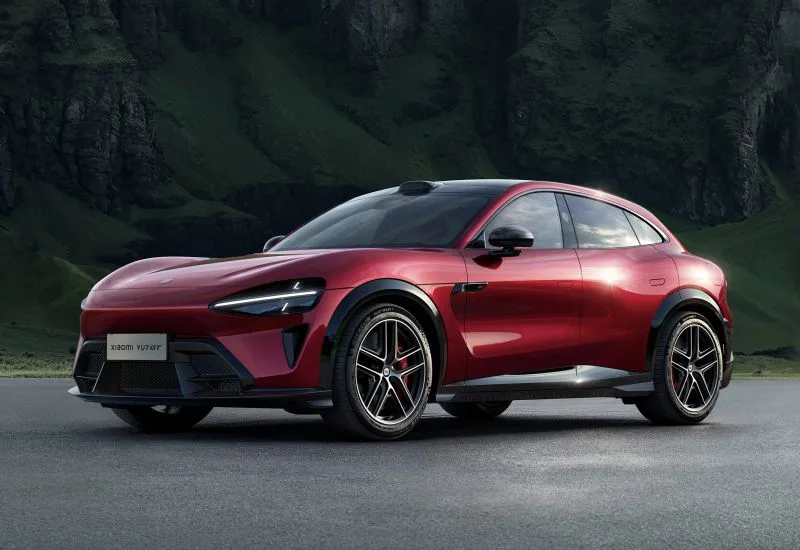
Chinese automakers are pushing the boundaries of autonomous driving technology by demonstrating the capabilities of production autopilot systems on world-famous racing circuits. Recently, Xiaomi’s YU7 GT, a high-performance sports car, managed to complete a lap of the Nürburgring Nordschleife in just over 10 minutes without any human intervention.
The Nürburgring race track, known for its challenging layout and demanding turns, has been a testing ground for automotive innovation for decades. While professional race drivers have long been the benchmark for speed and skill on this circuit, the latest trend among Chinese manufacturers is to pit their standard autopilot systems against this rigorous environment, showcasing how far autonomous driving technology has progressed.
Xiaomi’s YU7 GT is notable not only for its high-speed capabilities but also for its integrated self-driving technology. During its autonomous lap, the vehicle relied entirely on its factory autopilot system with no manual input, highlighting the precision, control, and advanced sensor fusion required to navigate the track safely and efficiently at high speeds.
This achievement marks a significant milestone in the industry as automakers increasingly focus on refining algorithms and real-time processing to handle complex driving scenarios without driver oversight. Completing a track as demanding as the Nürburgring autonomously presents unique challenges, including adapting to sharp corners, elevation changes, and maintaining optimal racing lines.
While the exact details regarding the YU7 GT’s lap time relative to professional drivers were not disclosed, the fact that the car completed the lap in just above 10 minutes using only its autopilot system underscores the rapid advancements occurring in autonomous driving in China.
As technology continues to evolve, such demonstrations serve not only as proof of concept but also pave the way for future innovations in performance vehicles that combine speed with sophisticated AI-based control systems. This progress is expected to influence both the gaming of lap times and broader applications in consumer and commercial autonomous vehicle markets.
Additional information about the YU7 GT’s specifications, market availability, or pricing has not been released. Nonetheless, its autonomous Nürburgring performance adds to the growing list of examples illustrating how AI is reshaping automotive performance and safety standards.
Xiaomi’s YU7 GT sports car completed a Nürburgring lap in slightly more than 10 minutes relying solely on its autonomous driving system.