Strong Earnings from Micron and Qualcomm Boost Chipmakers’ Market Value by $400 Billion
June 25, 2026
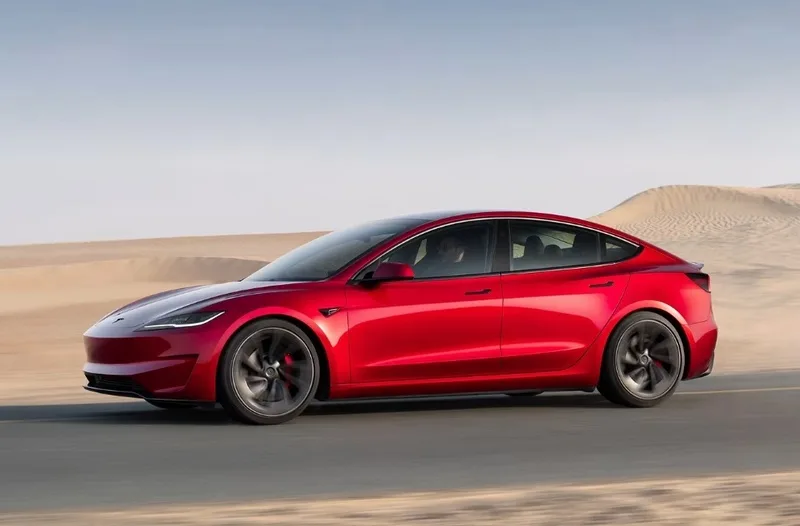
Tesla has responded to a recent fatal incident involving one of its Model 3 vehicles that crashed into a residential building in Texas. The company has asserted that the collision was primarily due to the driver’s behavior rather than a malfunction or failure of the vehicle’s autopilot system, which was reportedly active at the time.
The crash resulted in the tragic death of a resident inside the home that was struck. Incidents where Teslas collide with stationary objects, including buildings, have garnered attention due to the high kinetic energy generated in such impacts by electric vehicles, which can lead to severe consequences. Despite these events, Tesla emphasizes that their advanced driver-assistance system is not solely responsible and points to the driver’s role in controlling the vehicle during the critical moments preceding the accident.
This incident highlights ongoing debates regarding the capabilities and limitations of AI-driven autopilot technologies in real-world scenarios. Tesla’s autopilot is designed to assist drivers with functions such as steering, acceleration, and braking, but it requires active supervision and intervention by the human operator. When accidents occur, questions often arise about the extent to which the system versus driver error contributes to the outcome.
In this particular case, Tesla’s explanation recommends that drivers maintain control and vigilance even when autopilot features are engaged. This approach aligns with the company’s existing disclaimers that autopilot does not make the vehicle fully autonomous and that drivers bear ultimate responsibility for safe operation.
While Tesla vehicles typically offer dynamic driving performance, enabling rapid acceleration and maneuvering, these characteristics can also increase the severity of impacts in crashes involving stationary obstacles. Experts often point out that the interaction between vehicle technology and driver behavior remains a critical factor in traffic safety.
The investigation into the Texas crash is ongoing, and further details from official agencies may clarify the sequence of events. Meanwhile, Tesla’s position underscores the importance of driver attentiveness when using driver-assistance technologies and the challenges inherent in balancing innovative mobility solutions with road safety concerns.
Tesla states driver actions caused a fatal Texas crash involving a Model 3 hitting a residence, disputing autopilot-related fault.