Huawei Unveils Nova Y74 Featuring Advanced Silicon-Carbon Battery Technology
July 1, 2026
The semiconductor memory sector is experiencing a significant supply shortage, a challenge that Micron’s leadership partly links to historic price trends. The industry, long marked by cyclical price fluctuations, has seen extended periods where memory chip manufacturers faced low prices that undercut profitability and investment.
This cycle of booms and busts traditionally impacts how memory manufacturers plan production and capital expenditure. While the current market is witnessing a notable increase in memory prices, stimulated by heightened demand and a so-called “supercycle,” immediate solutions to the shortage remain elusive.
According to key figures at Micron, the prolonged phase of low memory prices over recent years constrained the industry’s ability to ramp up capacity. During this time, profit margins were thin, discouraging large-scale investments in new manufacturing infrastructure and capacity expansion. This underinvestment has contributed to the limited supply currently observed.
The memory sector is unique in its sensitivity to price changes, with manufacturers needing to strike a delicate balance between supply and demand to maintain profitability. Production of advanced memory chips involves complex and costly processes requiring long lead times for new fabs and equipment. When prices fall below sustainable levels, companies tend to limit output or delay expansion, which can exacerbate future shortages once demand surges again.
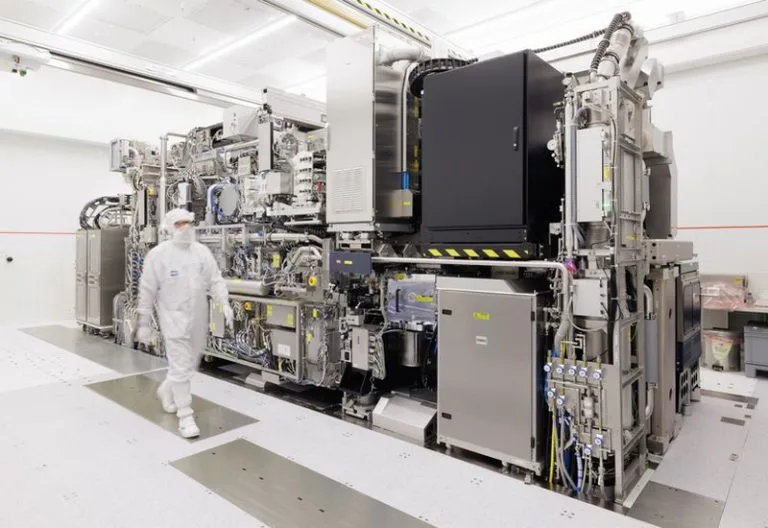
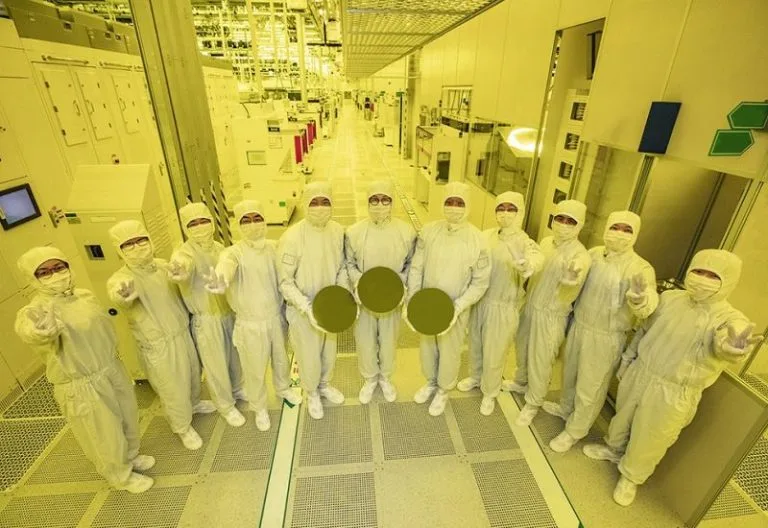
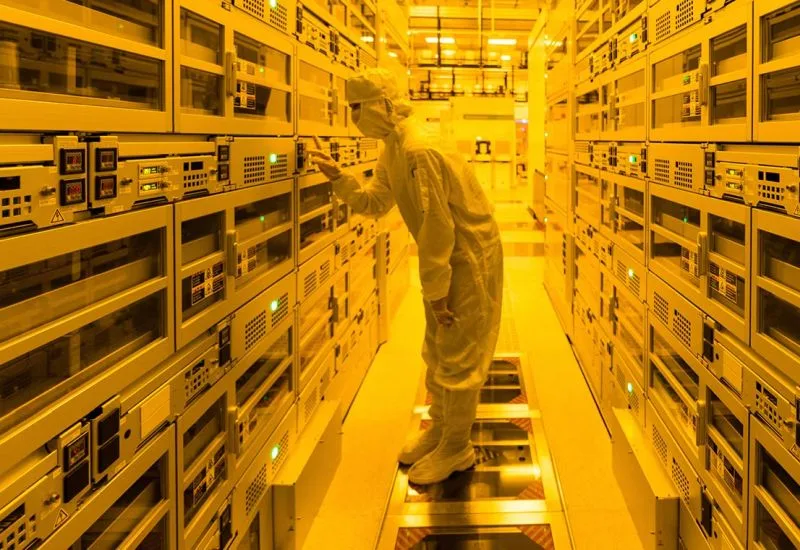
Despite the increased prices benefiting revenue streams more recently, Micron highlights the challenge in quickly scaling production to meet this demand given the capital-intensive nature of memory fabrication. Building or upgrading semiconductor fabrication plants is a lengthy process frequently spanning several years.
The ongoing industry supercycle—characterized by robust demand driven by cloud computing, artificial intelligence applications, and consumer electronics—has accelerated memory price growth. While this surge offers financial incentives, the lag in capacity development inherited from past low-price periods means the supply side is currently struggling to keep pace.
Market analysts observe that this dynamic underscores the cyclicality embedded in the semiconductor memory industry. Companies that managed investments prudently during low-price phases are currently better positioned, but the overall market still faces a supply imbalance.
Looking forward, the evolution of memory technologies and investments in new manufacturing processes are expected to gradually alleviate supply constraints. However, short- and medium-term solutions require navigating the residual impact of years with subdued market prices, which shaped capacity and supply chain readiness.
Micron points to years of low memory prices as a key factor behind the ongoing memory supply shortage amid rising demand.