Nvidia CEO Jensen Huang to Celebrate Sega’s 30th Anniversary in Japan
July 12, 2026
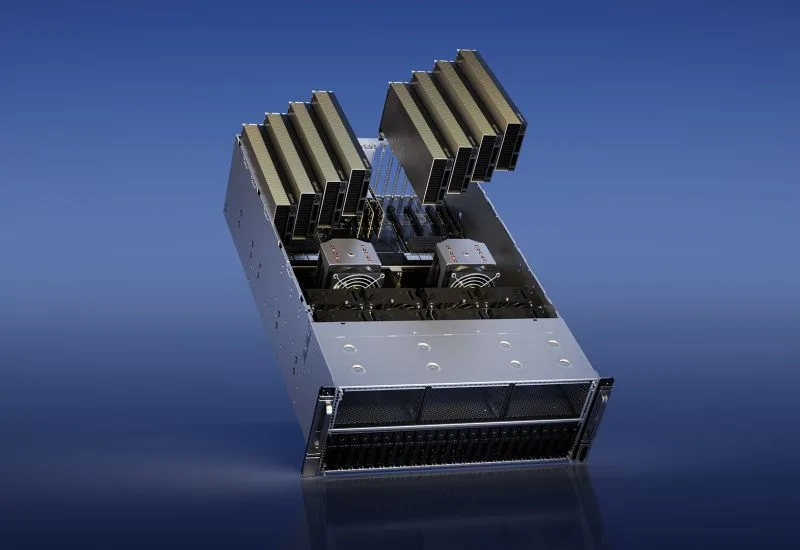
In an unusual move amidst a generally tightening global export environment, the United States government has removed key restrictions on the sale of advanced artificial intelligence (AI) chips to the United Arab Emirates (UAE). This development signals a deepening of strategic ties between the US and the Gulf nation, particularly in areas of defense and technology cooperation.
Traditionally, US export controls on cutting-edge technology, especially in semiconductors and AI hardware, have become more stringent in response to ongoing geopolitical tensions. However, the recent change in US policy toward the UAE deviates from this trend. Officials have recognized the Emirates as an important ally, specifically highlighting its contributions to US national security interests.
As a result, the UAE now benefits from significantly more flexible import rules allowing access not only to advanced military equipment but also to state-of-the-art AI processors and components critical to energy infrastructure. This marks a notable expansion of technology transfers, enabling the UAE to bolster its defense capabilities and develop sophisticated AI applications.
The removal of these export limitations is particularly significant given the complex international landscape surrounding the trade of semiconductors and AI-related technology. Many countries face restrictions designed to curb potential military applications and protect intellectual property. The US decision to relax these controls for the UAE underscores a high level of trust and strategic alignment between the two governments.
The policy shift also illustrates the growing importance of AI technology in modern defense and infrastructure sectors. Access to cutting-edge AI chips allows the UAE to enhance its military systems, improve cybersecurity measures, and support advanced energy management solutions. These capabilities are considered vital for regional stability and global partnerships.
While detailed information regarding the specific types of AI chips or quantities involved has not been publicly disclosed, the expanded technology transfer is expected to impact ongoing cooperation frameworks profoundly. The move may encourage further collaborative projects, research initiatives, and joint development programs between the US and the UAE.
Industry analysts view this development as indicative of a broader trend where technological alliances are increasingly influenced by geopolitical considerations. The UAE’s role as a key partner in defense and energy sectors appears to have been a decisive factor in the US’s recalibration of export controls.
In summary, lifting AI chip export restrictions to the UAE represents a strategic evolution in US foreign and trade policy, highlighting the country’s commitment to strengthening ties with important allies through advanced technology sharing. This decision sets a precedent that may influence future export policies involving emerging technologies and key geopolitical partners.
The US has eased export controls on AI chips to the UAE, marking a shift in tech and defense cooperation with the Gulf ally.