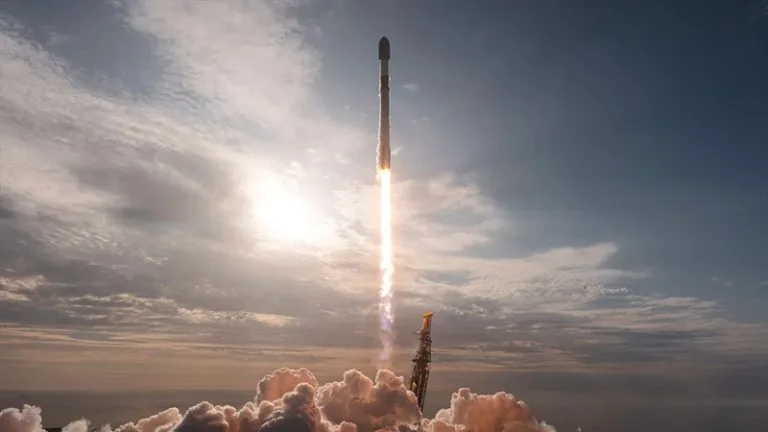
SpaceX Achieves 600th Reflight of Falcon 9 First Stage
July 15, 2026
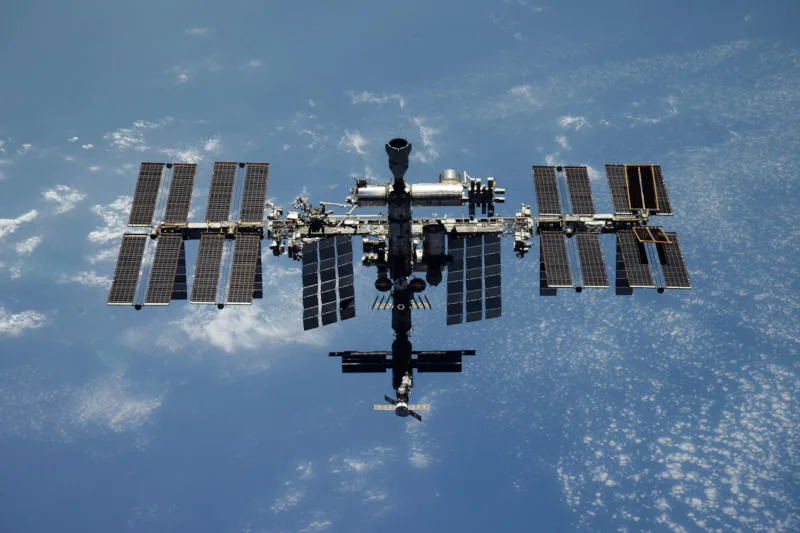
Representatives from Russia’s Roscosmos and the United States’ NASA have reached an agreement to continue operations aboard the International Space Station (ISS) until 2030. This decision marks a significant extension of cooperation between the two space agencies as they look ahead to the next phase of human spaceflight and related scientific endeavors.
Discussions between the agencies also covered the coordination of satellite constellations and orbital groups. These talks aim to optimize the management of orbital assets and minimize potential conflicts or collisions in space. The focus on coordinating satellite operations underscores the growing recognition of space as a shared environment requiring collaborative stewardship.
Beyond satellite activity, the agencies explored opportunities to collaborate on emerging lunar programs. These include initiatives across a variety of scientific disciplines such as space medicine and biology, which are integral to sustaining long-term human presence beyond Earth. Shared research efforts in these areas could enhance understanding of space environment impacts on human health and biological systems.
The commitment to continue ISS operations until 2030 aligns with broader international space goals. The ISS remains a unique platform for conducting microgravity research and serves as a testbed for technologies that will underpin future missions to the Moon, Mars, and beyond. The extension allows both NASA and Roscosmos to fully leverage the station’s capabilities and maintain a foothold in low Earth orbit.
While the specifics regarding milestones and programmatic details were not disclosed, the agreement reflects a mutual interest in cooperation despite geopolitical complexities. The partnership demonstrates that space exploration remains a domain where collaborative scientific progress can persist.
As the space race evolves, the focus on lunar exploration is becoming increasingly prominent. The dialogue between Roscosmos and NASA indicates a willingness to pursue joint efforts that could contribute to establishing sustainable human activities on the Moon. Lessons learned from combined research in space medicine and biology could prove crucial as agencies prepare for the challenges of long-duration spaceflight.
The dialogue between Russia and the United States on these fronts signals a continued commitment to collaborative space exploration. Coordinated satellite management, extended ISS operations, and joint research in key scientific fields collectively point to a future where space activities are increasingly integrated across international lines.
Russia and the US will continue joint operations of the ISS until 2030 while aligning satellite activities and lunar exploration plans.