CATL’s LFP Batteries Lead in Longevity for Tesla Model 3 Electric Vehicles
July 16, 2026
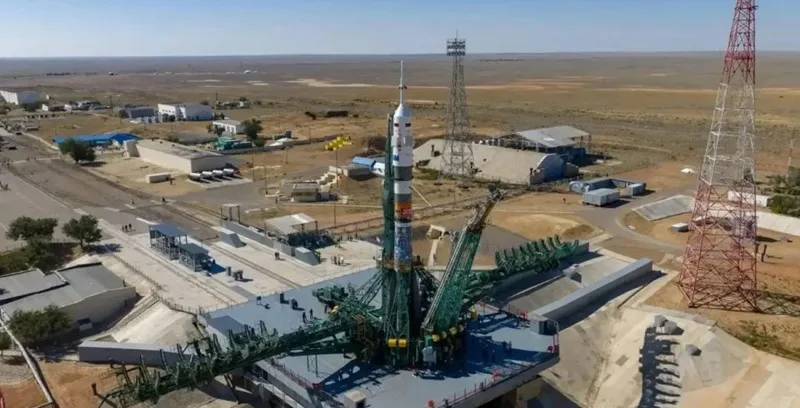
In 2025, Russia allocated approximately $4.11 billion to its space sector, marking 3% of the total global government expenditures on space-related projects. This places Russia in the fifth position internationally, following the United States, China, the European Union, and Japan in terms of government spending on space initiatives.
The aerospace industry continues to see significant investments from government bodies around the world as space exploration and associated technologies remain strategic priorities. While the United States leads the sector with substantial funding, followed by China, the European Union, and Japan, Russia maintains a significant presence despite being outpaced by these major space-faring entities.
Russia’s $4.11 billion budget reflects its ongoing commitment to space programs amid a competitive international environment. This figure represents a 3% share of total global governmental expenditure directed toward space projects.
Despite its position as a key player, detailed information about Russia’s share in the private space market remains scarce. There are currently no available data on how Russian private aerospace companies fare on a global scale, which limits comprehensive insight into the country’s overall footprint in the commercial space sector.
The government funding levels highlight the strategic importance of space for Russia’s long-term technological and scientific ambitions. However, the gap between Russia and countries with larger budgets indicates emerging challenges in maintaining competitiveness, especially as private sector involvement grows worldwide.
As space activities expand, shifts in public and private investment patterns, as well as international collaboration and competition, will continue to shape the future of the global aerospace industry.
In 2025, Russia’s government space budget stood at $4.11 billion, ranking it fifth worldwide behind the US, China, EU, and Japan.