Nvidia Partners with SEGA to Bring Games to RTX Spark Arm-Based PCs
July 16, 2026
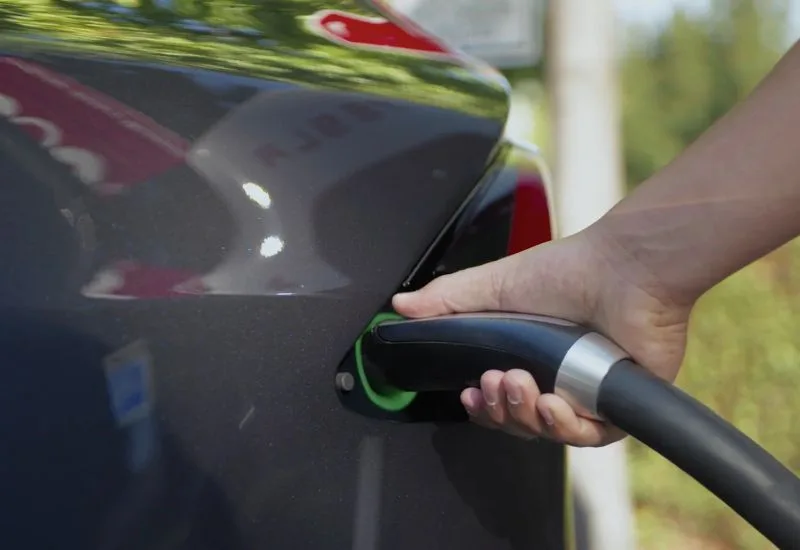
Tesla’s electric vehicles have long been at the forefront of electric propulsion technology, in part due to the company’s notable vertical integration strategy. While Tesla sources some of its traction batteries from external manufacturers, a significant number of Model 3 vehicles utilize battery packs developed by its partners, featuring various chemistries depending on production batches and regions.
A recent independent analysis has highlighted that lithium iron phosphate (LFP) batteries supplied by Chinese manufacturer CATL demonstrate superior durability and charge retention compared to other battery types used in Tesla Model 3 cars. LFP chemistry is known for its enhanced thermal stability and longevity prospects, distinct from the nickel-cobalt-aluminum (NCA) batteries Tesla traditionally employs.
The study investigated real-world performance data collected from Tesla Model 3 vehicles with different battery configurations. CATL’s LFP packs consistently maintained a higher residual charge capacity throughout extended use. These findings underscore the technology’s ability to withstand wear over time without significant degradation of the battery cells.
This durability translates into longer useful battery life and potentially reduced replacement needs, factors critical for consumer confidence and the total cost of ownership of electric vehicles. While Tesla has increasingly integrated LFP batteries in Model 3s manufactured for specific markets such as China and Europe, this research provides independent verification of their practical advantages in daily operation.
Besides longer cycle life, LFP batteries are recognized for their safety benefits, including lower risk of thermal runaway compared to traditional lithium-ion cathode materials. CATL has been a prominent supplier in the EV industry, contributing significantly to the growth and adoption of renewable transportation technology globally. Their LFP cells continue to gather attention for providing a balance between performance, durability, and cost-effectiveness.
Although detailed specifications, pricing impacts, and production volumes related to Tesla’s use of CATL LFP cells were not disclosed in the study, the results suggest that manufacturers aiming for sustainable battery solutions might increasingly consider this chemistry. As electric vehicle markets evolve, the capacity for batteries to retain charge and durability over time remains a cornerstone metric.
The independent nature of the research adds credibility to Tesla’s strategic diversification of battery suppliers and chemistries. It reflects ongoing efforts within the automotive industry to optimize energy storage methods for long-term viability and consumer satisfaction.
Looking ahead, developments in battery technology and integration will continue shaping the landscape of electric mobility. Manufacturers and suppliers like CATL play essential roles in establishing benchmarks and expanding the availability of reliable, sustainable power sources for EVs worldwide.
Independent research shows CATL’s LFP batteries outperform others in retaining charge longevity in Tesla Model 3 electric cars.