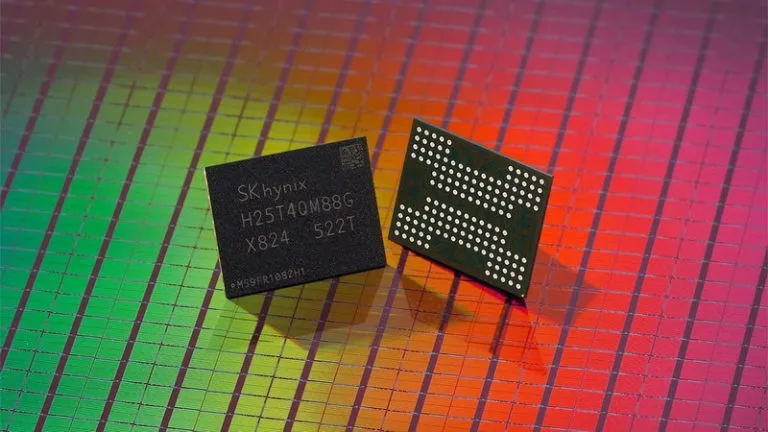
TrendForce Predicts Flash Memory Supply Shortage Will End in Late 2027
July 21, 2026
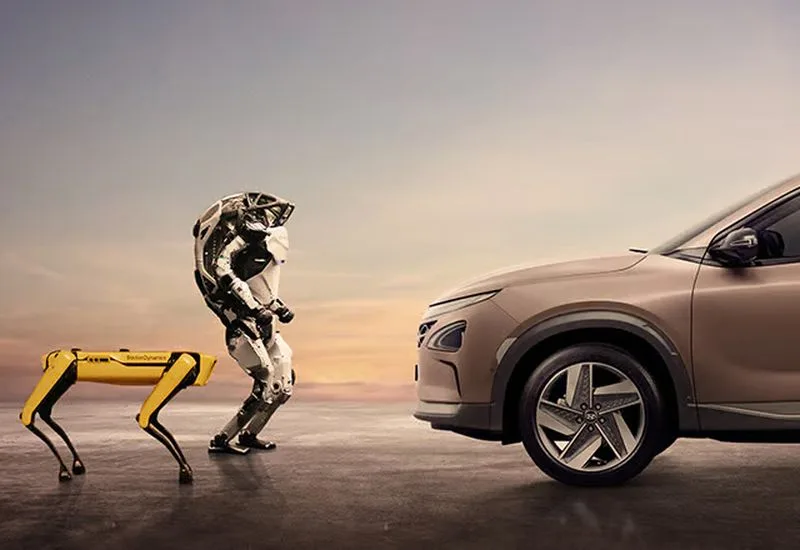
Leading battery manufacturers in South Korea are increasingly investigating opportunities within the robotics sector, signaling a strategic pivot as uncertainties loom over the electric vehicle (EV) market’s growth trajectory. Despite global sales data suggesting ongoing EV expansion, some industry players anticipate a potential plateau or decline in demand, prompting a reassessment of future business directions.
Although the worldwide green transportation movement continues to gain momentum, not all stakeholders share confidence in continuous, rapid growth for electric vehicles. Amid these mixed forecasts, suppliers specializing in traction batteries are adjusting their long-term plans accordingly. In South Korea, a notable hub for battery technology and production, companies are diversifying their focus toward robotics applications, which present fresh avenues for innovation and revenue generation.
This strategic interest reflects broader concerns that the EV market may witness a slowdown after earlier surges powered by favorable policies and consumer adoption trends. Given the central role of high-performance batteries in both sectors, the robotics industry offers a promising alternative domain for battery suppliers to leverage their expertise.
Robotics, encompassing areas such as industrial automation, service robots, and even emerging applications in logistics and healthcare, demands reliable and efficient energy storage solutions. Battery makers see potential in tailoring their technologies to meet these specialized requirements, which differ in scale and operational profile from automotive applications.
South Korean manufacturers’ efforts coincide with global trends of increasing robotics integration into various industries, driven by the need for efficiency improvements and labor augmentation. By positioning themselves early in this evolving segment, battery producers aim to secure footholds in markets likely to experience sustained growth over the coming years.
While specific product developments or partnerships have not been widely disclosed, the renewed focus on robotics aligns with a pragmatic approach to managing uncertainties in electric vehicle demand. This shift could influence investment priorities, research agendas, and collaboration models across the battery supply chain.
As both fields—electric mobility and robotics—continue to evolve, the strategic recalibration by South Korean battery firms underscores the dynamic nature of technology markets and the need for adaptability to shifting economic signals.
South Korean battery manufacturers are exploring growth opportunities in robotics as electric vehicle demand faces potential stagnation.