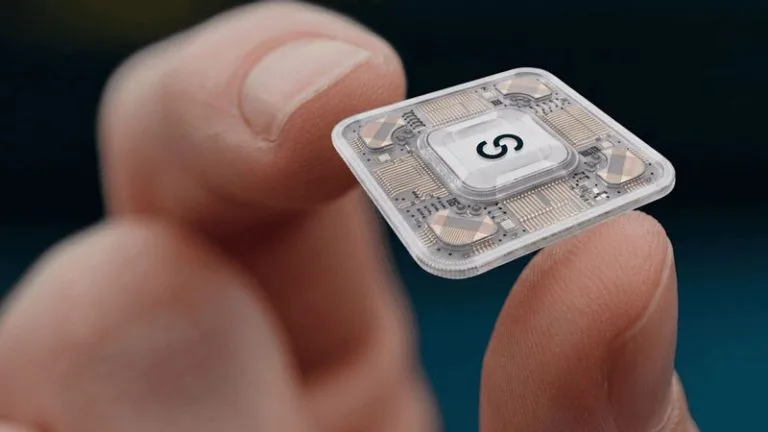
Saxon Q Unveils First Quantum Computers Featuring Diamond-Based Processors
July 22, 2026
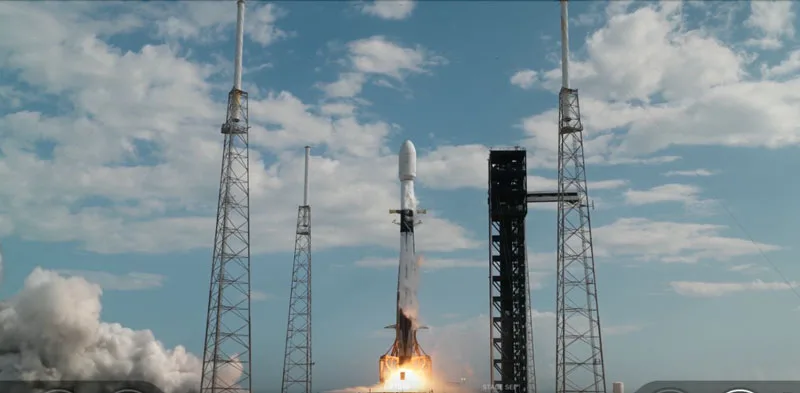
On July 21, 2026, SpaceX successfully launched a Falcon 9 rocket from the Space Launch Complex 40 at Cape Canaveral Space Force Station, carrying a pioneering satellite servicing system developed by Northrop Grumman.
The payload included the Mission Robotic Vehicle (MRV) along with three Mission Extension Pods (MEPs), all managed by Northrop Grumman’s subsidiary SpaceLogistics. The MRV is equipped with three-meter-long robotic arms designed to install the MEP propulsion modules onto aging client satellites currently operational in orbit.
This mission represents a significant step forward in extending the useful life of satellites already in space. Instead of launching replacement satellites once original propulsion systems degrade, the MRV enables in-orbit servicing by attaching new propulsion modules that can provide additional maneuvering capabilities and control.
By retrofitting existing spacecraft with new engine modules, this initiative aims to delay satellite retirement, reducing space debris and optimizing investment returns for satellite operators. The robotic arms of the MRV provide precision handling necessary for the complex installation tasks involved with docking the propulsion pods to satellites that were not originally designed for servicing.
Northrop Grumman’s approach leverages existing launch infrastructure, partnering with SpaceX to deploy this service via the Falcon 9 launch vehicle. This collaboration highlights increasing synergy between aerospace manufacturers and launch providers to support emerging on-orbit servicing technologies.
The successful deployment of the MRV and MEP system opens possibilities for sustained satellite operations and advances a growing sector within space technology focused on orbital maintenance, repair, and upgrade services. As satellite populations increase, such solutions will be critical in maintaining satellite functionality and managing orbital assets more sustainably.
Additional details such as mission duration, specifically which satellites will receive upgrades, and long-term operational goals have not been disclosed. However, this launch demonstrates continued innovation in satellite servicing capabilities, potentially reshaping how satellite fleets are managed in orbit.
Northrop Grumman sent a robotic satellite servicing vehicle into orbit to install propulsion modules, prolonging satellite operational lifetimes.