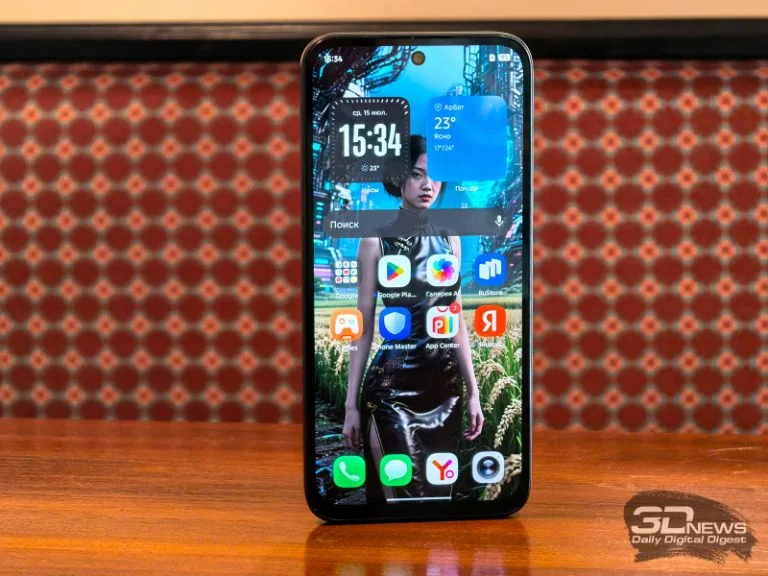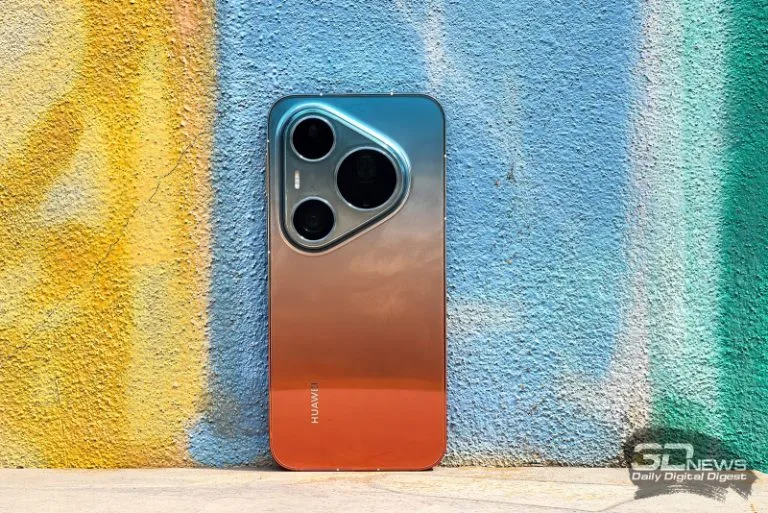
Huawei Pura 90s Pro Max Review: A Slight Technical Regression with Unique Camera Design
July 27, 2026

Amazon has filed a significant proposal with the United States Federal Communications Commission (FCC) to establish an extensive satellite constellation consisting of 5,105 spacecraft. This initiative targets low Earth orbit (LEO) to form a new network known as Direct-to-Device (D2D), designed to connect mobile phones directly to satellites without relying on ground-based infrastructure.
The project, developed by Amazon’s satellite division formerly called Project Kuiper and now operating under Amazon Leo, envisions a comprehensive system that supports direct smartphone links to satellites orbiting the planet. By deploying thousands of satellites at LEO altitudes, Amazon aims to enable mobile devices to receive connectivity in locations where traditional cellular or internet access is limited or unavailable.
This approach represents a potential shift in global telecommunications by reducing dependence on terrestrial networks and expanding internet access to remote and underserved regions. The direct-to-device technology allows smartphones to communicate with satellites without the need for additional specialized equipment, making satellite connectivity more accessible to everyday users.
Amazon’s filing with the FCC outlines not only the number of satellites but also suggests the company’s commitment to building one of the largest integrated satellite constellations. This network would be among the most extensive in low Earth orbit, positioning Amazon alongside other major space-based internet providers.
While details on deployment timelines, pricing, and finalized technical specifications remain undisclosed, the FCC application is a crucial step toward regulatory approval and future implementation. Amazon’s move comes amid growing interest and investment in space-based communication networks by technology companies seeking to broaden internet service coverage globally.
The success of this initiative could have significant implications for connectivity worldwide, particularly for areas lacking reliable broadband. It could complement existing satellite internet services and mobile networks by providing a more direct and flexible connection for smartphones and other portable devices.
This proposal reflects Amazon’s continuing push into space technology and telecommunications with the intention to blend its technological infrastructure with innovative space solutions. The development of this satellite constellation is anticipated to play a strategic role in the company’s broader ambitions around connectivity and cloud services.
Amazon plans to deploy over 5,000 satellites for a network allowing smartphones to connect directly in orbit, aiming to enhance global connectivity.