Honor Launches X7e Smartphone in Russia Featuring 7200mAh Battery and AI Shortcut Button
July 21, 2026
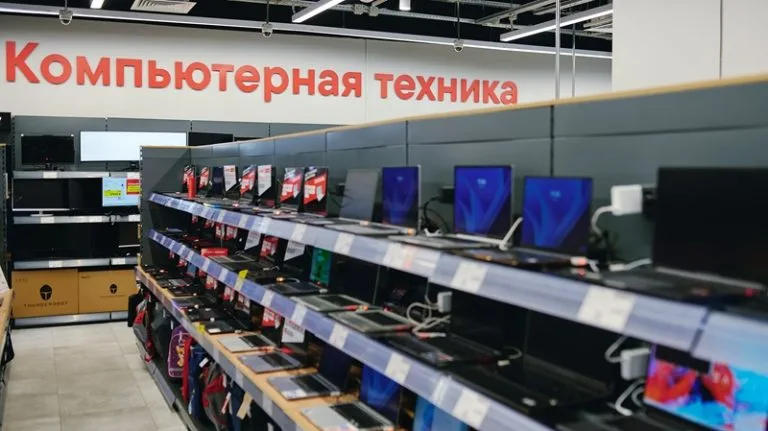
Lenovo, the world’s largest manufacturer of pre-built personal computers, has issued a cautious outlook regarding the ongoing crisis in the memory market. The company’s leadership indicates that disruptions in the supply and pricing of memory components are expected to continue affecting the PC sector through at least the end of 2026.
Despite Lenovo’s significant scale, which could potentially provide some leverage in managing supply chain challenges, the company reported a notable decline in profitability during the previous quarter. A drop in net income by 21% was largely attributed to rising costs for memory modules and other crucial components.
The global memory shortage has been an enduring issue for the broader technology market, impacting manufacturers across various product lines. For PC vendors like Lenovo, higher prices for DRAM, NAND flash, and related materials have led to increased manufacturing expenses and squeezed margins.
Lenovo’s warning highlights the difficulties even industry leaders face in navigating the current component supply environment. By signaling that the memory supply crisis will not abate soon, the company underscores the risk of continued price volatility and inventory constraints for PC makers worldwide.
The sustained pressure on memory availability may also affect product pricing and consumer choices as companies attempt to balance cost increases without sacrificing competitiveness. The industry could see slower product refresh cycles or strategic adjustments in hardware configurations in response to these constraints.
While Lenovo’s size provides certain advantages in supply chain management, the persistence of component shortages and elevated memory prices suggests that market conditions will remain challenging for the foreseeable future. The statement from Lenovo’s leadership serves as a reminder that the technology hardware sector continues to grapple with supply disruptions.
As the memory crisis extends, the broader PC ecosystem—including manufacturers, distributors, and end users—may need to prepare for ongoing impacts on availability and pricing. Companies will likely continue to seek innovative solutions to optimize supply chains, but the near-term outlook remains uncertain.
Details regarding Lenovo’s specific strategies to mitigate these challenges were not disclosed. Market watchers and industry participants will be closely monitoring how shifts in memory supply and cost dynamics evolve over the coming months.
Lenovo forecasts continued memory shortages and component cost pressures disrupting the PC market at least until the end of 2026.