Popular PC Components in Russia Highlight Nvidia RTX 50 Series and 1TB NVMe SSDs
July 21, 2026
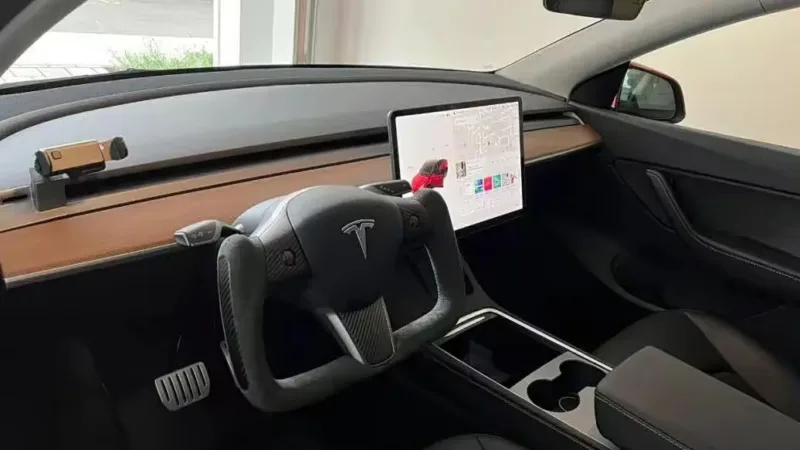
China’s Ministry of Industry and Information Technology (MIIT) has introduced a draft for a new national automotive safety regulation that could prohibit nontraditional steering wheel designs in vehicles. This proposed standard, designated GB 11557-202X, focuses on driver protection by addressing risks associated with steering system components.
The draft standard aims to enhance driver safety by setting requirements to minimize injuries caused by steering wheel elements during vehicle operation or collisions. Notably, the document lacks technical descriptions or provisions for unconventional steering wheels that deviate from the traditional circular design, which implies a ban on such configurations. This development would affect designs like Tesla’s yoke-style steering wheel, which has received attention for its distinctive shape and functionality.
The proposed regulation is scheduled to take effect on January 1, 2027. As a mandatory national standard, it will require all vehicles sold in China to comply with these guidelines, potentially forcing automakers to reconsider or discontinue the use of alternative steering wheel designs in their models destined for the Chinese market.
While the initiative underscores China’s ongoing efforts to tighten vehicle safety standards, it also highlights regulatory challenges for manufacturers experimenting with innovative cockpit technologies. Tesla’s yoke steering wheel, introduced in recent vehicle updates, has been controversial for its ergonomics and user experience, and this new Chinese standard may accelerate shifts back toward conventional steering mechanisms in the region.
Details regarding enforcement mechanisms, transitional provisions for existing vehicles, or possible exemptions have not been disclosed. Additionally, pricing, certification processes, and potential impacts on automotive design remain to be clarified as the final version of the standard is developed and adopted.
Overall, the MIIT’s proposed GB 11557-202X standard represents a significant regulatory move aimed at enhancing occupant safety by restricting steering wheel designs to traditional forms. This change will influence automakers’ design strategies and could set a precedent for similar regulations in other countries focused on driver injury prevention.
China’s new vehicle safety standard may ban nontraditional steering wheels like Tesla’s yoke, starting January 2027.