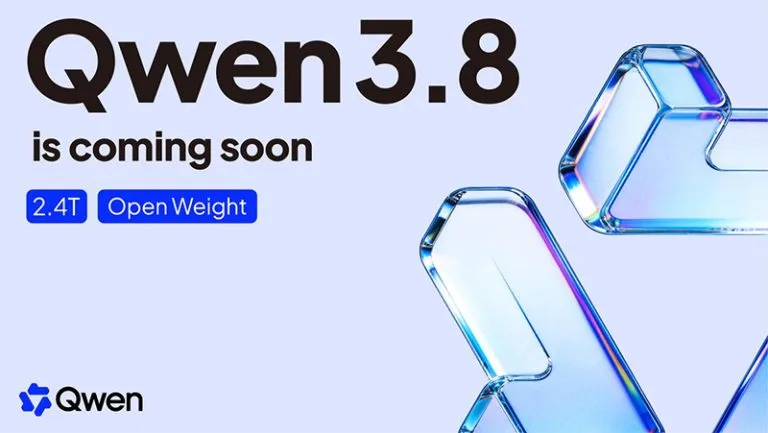
Alibaba Unveils 2.4 Trillion Parameter AI Model Qwen3.8 with Multimodal Capabilities
July 19, 2026
Chinese technology firms are reportedly exploring the possibility of acquiring Nvidia’s latest H200 AI accelerators through unofficial channels after Beijing imposed a ban on their import. This development highlights the growing challenge faced by domestic AI developers who must either pay premiums for unauthorized hardware or rely on less advanced local alternatives.
The restriction on Nvidia H200 accelerators came as part of Chinese government measures to control the flow of cutting-edge semiconductor technology into the country. The H200 model, known for its significant boost in AI processing efficiency, has become a sought-after component for data centers and AI research. However, the import prohibition has caused shipments to stall at border checkpoints, complicating supply chains.
As a result, several Chinese companies are evaluating the black market as a potential source to secure these high-performance chips, despite increased risk and cost. The decision underscores the dilemma for AI developers between accessing top-tier hardware under restrictive trade conditions and relying on domestically produced chips that currently lag in performance.
The local semiconductor industry continues developing AI accelerators, but many domestic models have yet to match the power and efficiency of Nvidia’s latest offerings. This environment places pressure on Chinese firms aiming to remain competitive in AI development, as access to superior hardware is crucial for training complex models.
Within the global semiconductor sector, restrictions on high-end chip imports have become more common amid geopolitical tensions. Companies worldwide are adapting to evolving trade policies that influence chip availability and supply chains, while innovation in AI hardware accelerates. Nvidia remains a leading supplier of AI accelerators, competing with domestic and international chipmakers investing heavily in AI-focused architectures.
Moving forward, the trajectory of Nvidia H200 accelerator availability in China and the broader region will depend on regulatory developments and the dynamics of the global semiconductor market. Watch for further announcements regarding trade policies, local chip advancements, and how companies navigate these supply constraints in the near future.
Following China’s import ban on Nvidia H200 AI accelerators, local companies weigh black market options for high-performance chips.