Advancements in CFET Technology Promise Faster, Smaller, and More Reliable Semiconductor Transistors
July 21, 2026
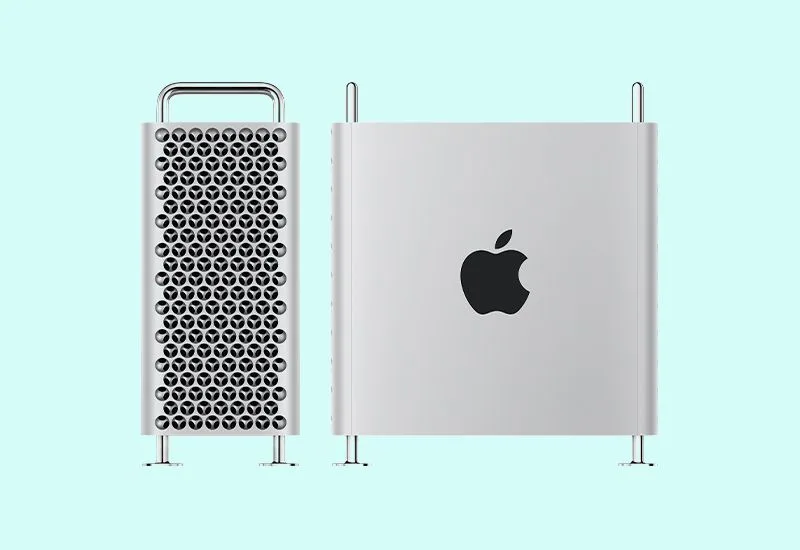
Apple recently announced the discontinuation of its Mac Pro desktop computers, signaling the end of a product line that traditionally relied on Intel processors. The move reflects the company’s broader strategy to fully transition to custom-designed chips for its computing products. However, new information reveals that Apple had contemplated the possibility of reintroducing Intel processors into the Mac Pro lineup before deciding to retire the series altogether.
The Mac Pro, known for its high-performance desktop configurations, had been equipped with Intel CPUs in its latest iterations. As Apple has progressively shifted toward in-house silicon, the Mac Pro increasingly diverged from the company’s established roadmap for hardware unification. This strategic realignment encouraged Apple to pursue proprietary processor designs to enhance performance and integration across its devices.
According to industry sources, Apple’s internal plans included a contingency: if its development of customized processors suitable for the Mac Pro failed to meet expectations, the company was prepared to continue using Intel chips in the desktop powerhouse. This fallback approach would have allowed Apple to maintain the Mac Pro line while advancing its custom chip development in parallel.
Ultimately, Apple did not proceed with this option, choosing instead to discontinue the Mac Pro altogether. This decision underscores the challenges of merging high-end desktop performance requirements with Apple’s proprietary silicon architecture, at least within the planned development timeline.
The discontinuation marks a significant shift in Apple’s desktop computing strategy, emphasizing seamless control over hardware and software ecosystems. With the departure of Intel processors from the Mac Pro, Apple reinforces its commitment to internally designed components across its product portfolio.
Details about potential successors or alternative desktop solutions leveraging Apple’s chips remain scarce. However, the company’s move reflects broader industry trends where manufacturers aim to optimize performance and power efficiency through integrated system designs driven by in-house technology.
This strategic pivot not only impacts professional users who rely on the Mac Pro’s powerhouse capabilities but also signifies a turning point in desktop computing. The comprehensive adoption of Apple’s chip ecosystem could reshape expectations for future high-end workstation offerings from the company.
While the Mac Pro’s retirement closes a chapter on Intel-based Apple desktops, it also opens the door to innovation centered around custom silicon. As Apple continues to push the boundaries of processor design, the tech world will closely watch the evolution of its desktop computing approach in the coming years.
Before ending the Mac Pro line, Apple considered using Intel processors again as a fallback plan amid its shift to in-house chips.