Memory Chip Makers Face Potential DRAM Oversupply by 2028 Amid Massive Capacity Expansions
July 20, 2026
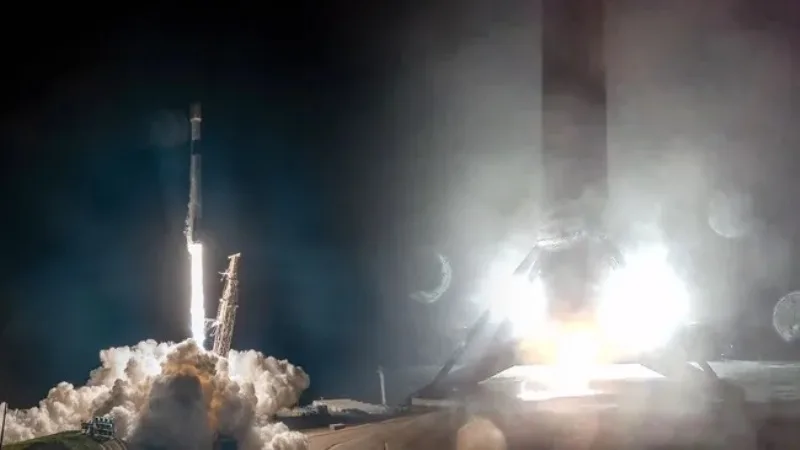
SpaceX has reached a significant milestone in space launch technology by successfully using Falcon 9 rocket first stages for more than 30 flights each. This advance further emphasizes the company’s commitment to reusability, aiming to reduce costs and increase the frequency of orbital missions.
On February 21, the aerospace firm conducted two separate launches within the same day, deploying batches of Starlink telecommunications satellites into Earth orbit. This double launch operation highlighted SpaceX’s operational cadence and its ability to quickly turn around boosters for reuse.
The Falcon 9 first stage boosters have been a cornerstone of SpaceX’s strategy to revolutionize space access by enabling multiple reuses of key rocket components. Traditionally, rockets have been expendable, discarded after a single flight, leading to high costs and resource demands. SpaceX’s progressive reusability has been designed to counter this model by refurbishing and flying the same hardware repeatedly.
Reaching over 30 flights on a single Falcon 9 first stage marks a new benchmark within the aerospace industry. This demonstrates significant improvements in rocket design, manufacturing durability, and refurbishment processes. Reusing boosters not only shortens launch preparation times but also contributes to the overall sustainability of space operations.
The two successful Starlink deployments on the same day further showcase the efficiency gains achieved. Starlink, SpaceX’s satellite internet constellation, continues to grow rapidly, requiring frequent launches to maintain and expand global coverage. The ability to fly the same boosters multiple times aligns with the high launch cadence needed to sustain this ambitious satellite network.
This achievement also reflects the company’s systematic approach to testing and validating hardware longevity in operational conditions. By pushing the reuse count higher, SpaceX gathers crucial data to refine maintenance protocols and ensure booster reliability and safety.
While the industry watches these developments closely, SpaceX’s advancements contribute broadly to the commercialization of space and reduce barriers for a variety of missions, from satellite deployments to future crewed spaceflights.
This milestone highlights the continuing evolution of rocket reuse and the potential for lowering costs on space access, which could open new opportunities for research, telecommunications, and space exploration in the years ahead.
SpaceX achieved a milestone as Falcon 9 rockets’ first stages surpass 30 flights, demonstrating breakthroughs in rocket reusability.