Oracle’s Debt Challenges Threaten AI Data Center Project for OpenAI
July 21, 2026
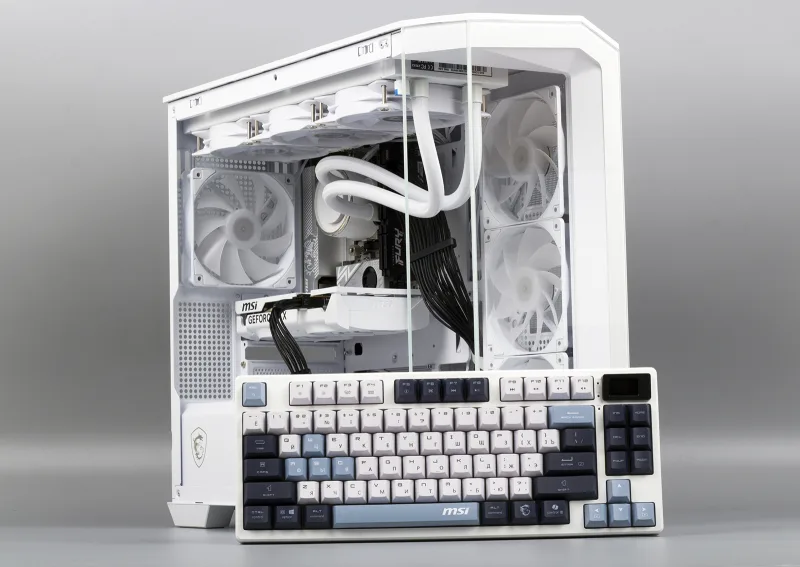
The persistent shortage of memory chips continues to influence the gaming PC market, prompting a notable shift in hardware preferences among enthusiasts and mainstream users alike. As supply constraints linger into 2026, the gaming community is witnessing an unexpected resurgence of older components and configurations that had previously been on the decline.
Several years ago, the transition from DDR4 to more advanced memory standards was underway as consumers sought improved speed and efficiency for gaming and other demanding applications. However, the ongoing scarcity of higher-end memory chips has effectively stalled the widespread adoption of newer modules. As a result, systems featuring DDR4 memory are seeing renewed popularity, becoming a practical choice for many builders looking to balance performance and availability.
This trend has also solidified the status of 16GB RAM configurations as a prevailing standard for gaming PCs. Despite advancements introducing higher capacity options, the limited supply and rising costs of memory have made 16GB an appealing and attainable baseline for gamers. The community appears to be adapting to these constraints by optimizing within the boundaries of accessible hardware.
In the graphics card sector, the impact of memory shortages is perhaps even more pronounced. The industry is gravitating toward 8GB GPU models as the dominant offerings, with predictions suggesting that by 2026 these may become the go-to choice for the vast majority of gamers. Higher-memory variants remain scarce and often come with significant price premiums, steering demand towards mid-range cards that strike a balance between capacity and availability.
Despite the challenges posed by the memory shortage, the situation is not entirely pessimistic. The renewed interest in DDR4 and 8GB graphics cards has helped maintain a degree of stability in the market, preventing excessive price inflation and providing a clear framework for hardware selection during this period. Gamers and builders are reconsidering earlier generation components, which continue to deliver competent performance for current gaming requirements.
The shortage also encourages practicality in hardware upgrades. Rather than pursuing the latest cutting-edge technology, many users are opting for configurations that are proven and widely accessible. This approach may influence development cycles and consumer purchasing behavior longer term, as manufacturers and suppliers calibrate offerings to current market realities.
Looking ahead, the industry is expected to closely monitor supply chain conditions and work toward alleviating bottlenecks in memory production. Until then, the gaming PC ecosystem embraces a phase of selective retrofitting and adaptation that echoes previous hardware generations. This period could reshape user expectations and technical standards as the market navigates ongoing resource limitations.
In summary, the memory chip shortage in 2026 has notably altered the landscape of gaming PC hardware selection. The resurgence of DDR4 systems and 16GB RAM setups, alongside the predominance of 8GB graphics cards, illustrate the complex interplay between supply challenges and consumer demand. While the situation presents constraints, it also offers an opportunity for the industry and gamers to recalibrate and optimize within new parameters.
Ongoing memory shortages are driving gamers back to DDR4 systems and 8GB graphics cards, impacting hardware choices in the gaming PC market.