Honor Launches X7e Smartphone in Russia Featuring 7200mAh Battery and AI Shortcut Button
July 21, 2026
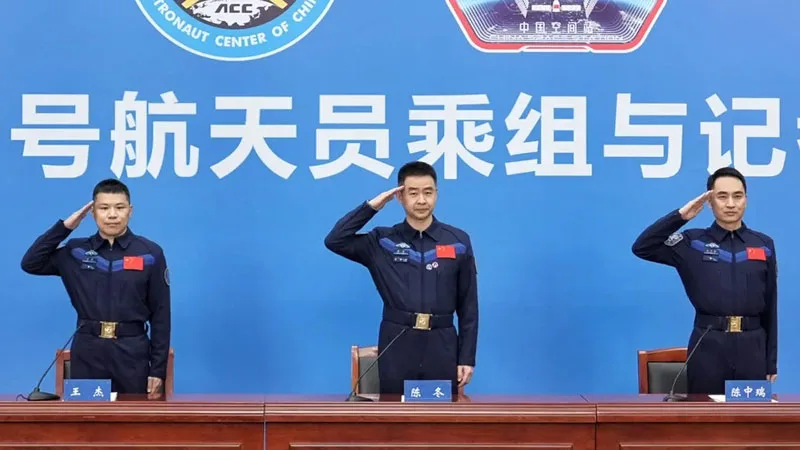
In a notable incident highlighting the increasing hazards of space debris, the crew of China’s Shenzhou-20 spacecraft has shared details about a critical emergency evacuation from orbit triggered by damage to their vessel.
The event took place in November 2025 when the Shenzhou-20 crew, consisting of three taikonauts, encountered unexpected structural damage to their spacecraft. The damage manifested as multiple cracks in one of the vehicle’s windows, believed to have been caused by an impact with space debris while orbiting Earth. This compromised the safety of their standard reentry procedure.
Due to the severity of the damage, the decision was made that returning to Earth aboard Shenzhou-20 in its compromised state was too risky. Instead, mission controllers opted for an alternative strategy, deploying a secondary rescue spacecraft to safely bring the crew back to the planet.
The team aboard Shenzhou-20 remained in orbit longer than initially planned as the backup ship was readied. Meanwhile, the original spacecraft underwent an automated reentry and landing sequence without crew onboard. This remote-controlled descent, while difficult given the circumstances, was completed successfully, and the ship landed intact.
Cracks in a spacecraft’s window present serious risks, including potential loss of cabin pressure and impaired visibility, both critical during reentry. The Shenzhou-20 incident underscores the growing threat posed by increasing amounts of orbital debris, which can cause damage even to heavily shielded vehicles.
The crew’s recounting of events illuminates the complex decision-making involved in ensuring astronaut safety amidst unforeseen hazards. Deploying a backup spacecraft for emergency evacuation marks a significant operational challenge and a demonstration of contingency planning in human spaceflight.
As orbital traffic continues to increase worldwide, incidents such as this one highlight the importance of improved debris tracking, spacecraft design resilience, and readiness for rapid response to emergencies in space.
Details regarding the specifications of the backup spacecraft, timelines for the evacuation, and post-landing assessments of Shenzhou-20 have not been disclosed publicly. However, this account adds to the growing dialogue on the risks and safeguards inherent in current and future crewed missions beyond Earth.
In a rare account, Shenzhou-20 astronauts reveal their emergency evacuation triggered by cracks in the spacecraft’s window caused by space debris.