
App Store Sees Surge in New Apps Amid Growth of No-Code Platforms in Early 2026
July 21, 2026
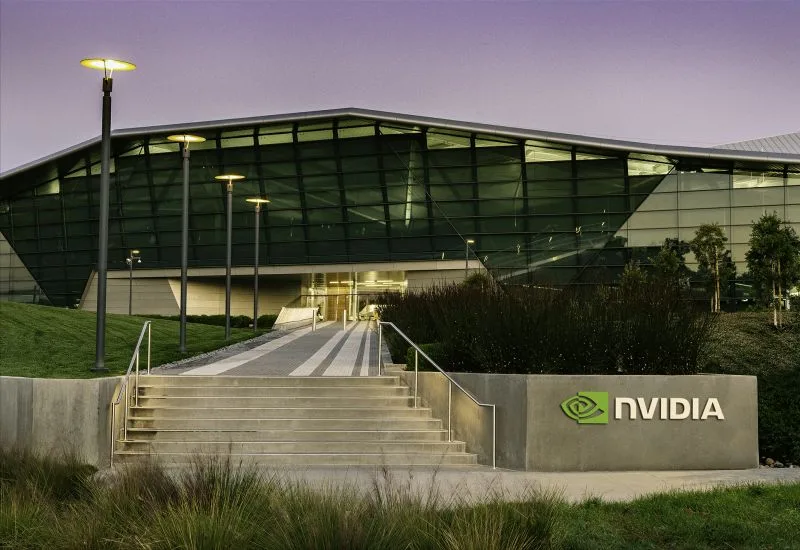
Nvidia has dramatically increased its purchase commitments, as revealed in its latest annual filing. The company’s obligations now total approximately $95 billion, marking nearly a sixfold rise compared to the previous year. This substantial increase has been highlighted by investor Michael Burry as a potential risk factor that could impact Nvidia’s financial stability if demand for its products were to experience a sudden downturn.
Purchase commitments refer to binding agreements made by a company to acquire goods or services in the future at predetermined prices. In Nvidia’s case, these commitments primarily cover essential components and materials necessary for manufacturing its semiconductor products, which include graphics processing units (GPUs) and data center chips.
The scale of Nvidia’s current obligations is notably higher than typical for a company in the semiconductor industry, as it reflects a forward-looking strategy to secure supply amid ongoing market dynamics. However, this aggressive procurement approach could also expose Nvidia to financial risks if market conditions change abruptly, particularly if the demand for its products fails to meet projections.
Market analysts and investors monitor such commitments closely because they represent fixed costs that the company must honor regardless of sales performance. An unexpected decrease in consumer or enterprise spending on Nvidia’s offerings could challenge its ability to manage these contractual obligations, affecting profit margins and overall financial health.
Michael Burry, known for identifying financial vulnerabilities, brought attention to this aspect of Nvidia’s 10-K report, underscoring how the elevated purchase commitments amplify the company’s exposure to fluctuations in market demand. While Nvidia continues to benefit from strong demand in various sectors, the magnitude of its procurement contracts introduces an additional layer of financial risk.
The semiconductor industry is often subject to cyclical swings influenced by global economic factors, technological shifts, and inventory adjustments along supply chains. Given this environment, Nvidia’s expanded purchase commitments signal an optimistic anticipation of continued growth but also necessitate caution in evaluating the company’s risk profile.
At this stage, specific details regarding contract terms, timing, or suppliers involved in these commitments remain general. The potential impact on Nvidia’s future financial reporting and operational flexibility will depend on how market demand evolves over the coming quarters.
As Nvidia navigates this complex landscape, investors and industry observers will be closely watching the balance between securing supply and managing financial commitments amid an uncertain demand outlook.
Nvidia’s purchase commitments have jumped sixfold to $95 billion, prompting concerns over potential financial strain if product demand declines sharply.