App Store Sees Surge in New Apps Amid Growth of No-Code Platforms in Early 2026
July 21, 2026
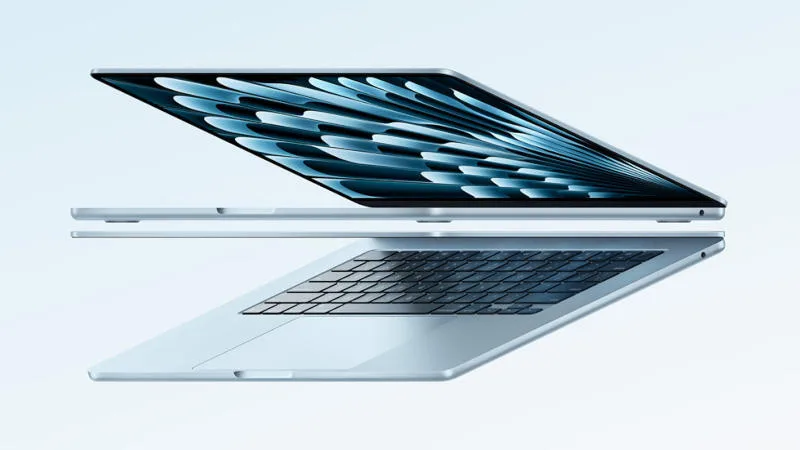
Apple is reportedly preparing to launch a more affordable MacBook model that would be powered by a chip originally designed for iPhones. This strategy appears to involve several compromises aimed at reducing production costs, according to unofficial information shared by a user on the Chinese social network Weibo.
The anticipated budget MacBook is expected to use an Apple chipset derived from the technology used in the company’s iPhone lineup. While this could lead to cost savings, it may also result in the omission of certain features that are standard on higher-end MacBook models. Details regarding which specific functionalities might be excluded have not been officially disclosed, but the move aligns with Apple’s recognized approach of segmenting its product lines to meet different market needs and price brackets.
The decision to scale back features on this entry-level device could reflect a balance between delivering an affordable MacBook and maintaining performance and usability standards. It is not yet clear how the reduced feature set would compare to those found in MacBook Air or Pro models, which typically use more powerful, custom silicon chips designed specifically for laptops rather than smartphones.
Apple’s adoption of an iPhone-based chip in a laptop form factor would be a notable shift, potentially affecting aspects such as processing power, graphics performance, battery efficiency, and support for certain advanced functionalities. These compromises are likely intended to keep the retail price within reach for budget-conscious consumers while still leveraging the company’s tightly integrated hardware and software ecosystem.
Until Apple provides official specifications and feature lists, consumers and industry observers will need to wait for more concrete information. However, the development hints at Apple’s ongoing efforts to expand its MacBook range by offering models that address varying user requirements, from entry-level options to high-performance professional machines.
This emerging budget MacBook model follows broader industry trends where manufacturers create tiered product lines to appeal to a wider audience without sacrificing too much in terms of brand identity and core functionality. Should this device reach the market, it will add a new option for users seeking Apple’s design and software integration but at a lower entry cost.
Apple’s upcoming budget MacBook, powered by an iPhone chip, might omit several features found in more expensive models to reduce costs.