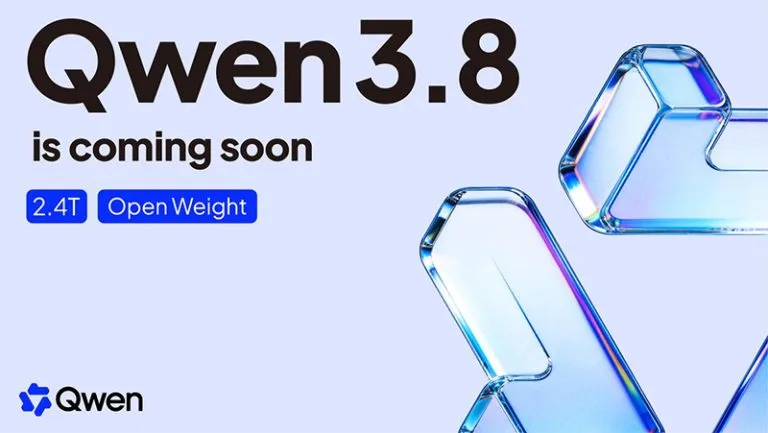
Alibaba Unveils 2.4 Trillion Parameter AI Model Qwen3.8 with Multimodal Capabilities
July 19, 2026

Anthropic, a company specializing in artificial intelligence, has announced its intention to contest a recent decision by the United States Department of Defense (DoD) that placed the firm on a blacklist. The inclusion was reportedly due to concerns over national security connected to Anthropic’s refusal to grant the department unrestricted usage rights to its AI model, Claude.
This development marks a notable escalation in a dispute between Anthropic and the government. While specific details leading to the decision remain limited, the issue centers on the DoD’s requirement for unfettered access to the AI technology, which Anthropic declined to provide.
The blacklisting effectively restricts the company’s ability to engage with certain government contracts, highlighting ongoing tensions between AI developers and regulatory bodies focusing on safeguarding national security interests. Anthropic expressed significant regret over the situation, indicating dissatisfaction with the move and conveying a clear intent to reverse the decision through legal channels.
As artificial intelligence continues to evolve, the balance between innovation and security becomes increasingly complex. AI companies like Anthropic often face challenging choices when dealing with governmental demands, especially concerning intellectual property and control over proprietary technology.
The US Department of Defense’s designation of Anthropic as a supplier risk underlines broader concerns about the safe application of AI technologies within sensitive arenas. National security agencies are likely prioritizing full operational control over such tools to prevent vulnerabilities or misuse.
Anthropic’s refusal to grant unqualified usage rights to its Claude model suggests the company is protecting its AI’s operational parameters, possibly to maintain ethical use standards or intellectual property safeguards. This stance, however, clashed with the DoD’s security expectations, triggering the blacklisting.
The decision to fight the blacklisting in court opens a legal pathway that could clarify how AI providers and governmental agencies negotiate terms surrounding advanced technology. The outcome may set a precedent regarding the extent of control governments can demand over AI systems used for defense or other critical functions.
While the specific legal arguments Anthropic will present have not been disclosed, this case underscores the increasingly prominent dialogue around AI governance, vendor compliance, and the interface between private sector innovation and public sector security requirements.
As the situation unfolds, industry observers will be watching closely to see how the courts address this intersection of technological autonomy and national security demands.
Anthropic plans a legal challenge after the US Defense Department blacklisted it over usage rights for AI model Claude.