
Oracle’s Debt Challenges Threaten AI Data Center Project for OpenAI
July 21, 2026
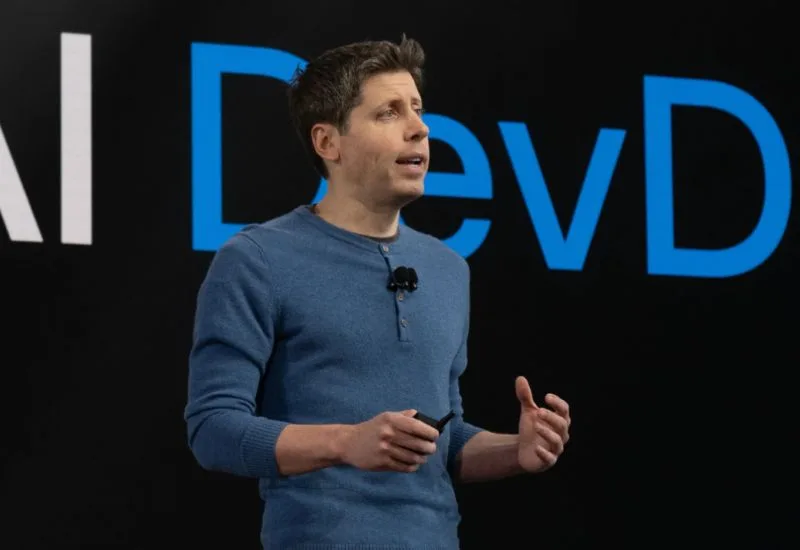
OpenAI has taken a significant step in advancing artificial intelligence integration within U.S. national security infrastructure by entering into a contract with the Department of Defense. The company’s CEO, Sam Altman, disclosed this development late on Friday, confirming that OpenAI is working on deploying AI technologies into classified Pentagon systems.
The announcement surfaced amidst ongoing public debates and concerns regarding the extent of influence private technology firms hold over critical government functions. In a subsequent question-and-answer session, Altman sought to alleviate these apprehensions by underscoring the supremacy of democratically elected government institutions over private sector enterprises.
Altman emphasized that while companies like OpenAI contribute advanced technological solutions, they ultimately operate within frameworks set and regulated by government authority. He reiterated a commitment to ensuring that private companies do not exert more power than the U.S. government, especially in sectors tied to national defense and security.
The collaboration between OpenAI and the Pentagon marks an important moment in the broader effort to harness cutting-edge AI advancements for defense purposes. Although details about the scope and nature of the technologies to be integrated were not disclosed, the partnership reflects the increasing role that AI is playing in enhancing military and security operations.
Public caution around private firms’ involvement in sensitive government work has been growing, particularly as AI capabilities evolve rapidly. Altman’s statements aim to promote transparency and reassure citizens that oversight remains firmly under elected officials and governmental institutions.
This development also highlights the ongoing intersection of technology innovation, ethical considerations, and governance. Ensuring that AI deployments align with democratic values and national security priorities continues to be a central focus for both policymakers and technology leaders.
As AI systems become more embedded in critical infrastructure, clear communication regarding governance structures and accountability mechanisms remains vital. OpenAI’s collaboration with the Pentagon serves as a case study in navigating these challenges responsibly within the evolving technology landscape.
OpenAI’s CEO emphasizes that democratically elected U.S. government holds ultimate authority over private firms while unveiling a Pentagon AI contract.